Get Full Government Meeting Transcripts, Videos, & Alerts Forever!
Get email alerts on the Utilities Rates topic
No spam. Unsubscribe anytime.
Waynesfield council advances plan to move a 50% rate‑increase option for water and sewer to next meeting
Summary
Facing infrastructure shortfalls and grant eligibility tests, the Waynesfield village council agreed to advance a proposal that applies 50% of the five‑year projected water and sewer increase now and spreads the remainder over subsequent years; ordinance readings and public notice will follow before any rates take effect.
The Waynesfield village council moved on a plan to advance a water and sewer rate option that applies roughly 50% of a projected five‑year increase in the first year and spreads the rest over the following years.
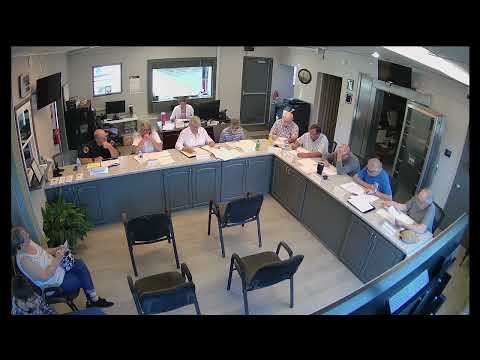
Mayor (unnamed) opened the special meeting by saying, “There’ll be no public comment during this meeting,” and then introduced the rate materials and recommended options for council consideration. Council members pressed staff on how the proposed split differs from the original front‑loaded plan and how it affects the village’s cash position and grant eligibility.
Council member Raul (council member) said the change was intended to reduce immediate pain for residents while preserving the village’s ability to qualify for funding. Raul noted that, under one calculation, an average household using about 4,000 gallons a month would see a monthly bill rise from about $64.60 to approximately $79.24 — an increase of roughly $14.64 in the first year under the combined water and sewer figures presented.
Several council members expressed confusion about a specific projection showing a larger net cash position in 2027 despite a lower residential rate and asked staff to verify the spreadsheet and calculations. Staff said the first negative net position in recent records appeared in December 2020 and that purchases (including meters and project overruns) and funding matches complicate year‑to‑year cash figures.
The council repeatedly discussed the trade‑off between resident affordability and the risk of infrastructure deterioration. One council member said, “If we don’t fix this, we are not going to have the ability to have our own water and sewer,” warning that insufficient funding could invite external intervention. Council and staff reviewed grant programs mentioned in the packet (including CDBG and OPWC) and the village’s need to meet minimum rate thresholds to remain eligible for low‑interest loans and grants under EPA‑related standards.
On timing and process, the council discussed a schedule of ordinance readings and public notice: a first reading in August, a second in September, a third reading in October, a 60‑day notice period in November–December, and an effective date at the start of the calendar year (the first increased charges would appear on the February bill for January usage). Council members asked staff to identify the smallest rate increase that would preserve grant eligibility while minimizing immediate impact on residents.
After discussion, council members present voiced support and the Mayor conducted a roll‑call of members present to record their agreement to advance the 50% option for formal consideration at the next council meeting. The move forwards the proposal for ordinance drafting, readings and the public‑notice process; no final ordinance adoption occurred at the special meeting.
The council then moved to adjourn. Staff were directed to: (1) confirm projection spreadsheets and the reason for the 2027 net‑cash discrepancy, (2) calculate the minimum rate needed to meet grant/EPA thresholds, and (3) prepare ordinance language and public‑notice materials for the upcoming meeting.