Get Full Government Meeting Transcripts, Videos, & Alerts Forever!
Get email alerts on the Community Needs topic
No spam. Unsubscribe anytime.
Princeton presents 2025 community needs assessment, highlights food, transportation and service navigation gaps
Summary
Consultants and Princeton Human Services presented a purposive survey and listening-session-based 2025 Community Needs Assessment showing high reliance on food assistance (47%), transportation barriers to care, gaps in service awareness, and particular needs among older adults; the council discussed next steps and an action plan.
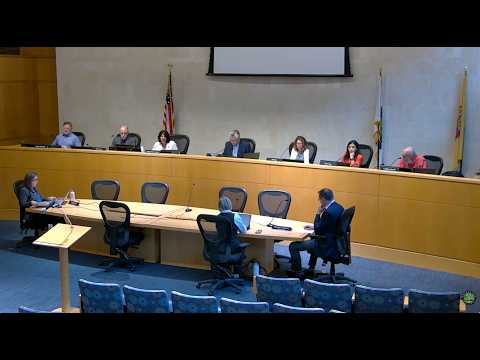
Consultants and municipal staff on Monday outlined Princeton’s 2025 Community Needs Assessment, a data-driven effort focused on lower-income residents that found persistent gaps in food security, transportation, service awareness and access.
Sibuya Ashir, the research consultant leading the assessment for Princeton Human Services and CMAP, said the team surveyed 253 low- and moderate-income households (representing 521 adults and 280 children), conducted bilingual listening sessions and embedded outreach at housing developments, food pantries and neighborhood sites to reach residents less likely to be captured in standard townwide surveys. "This effort builds and expands on that work," Ashir said, describing a purposive sampling approach intended to center underserved residents.
The assessment’s headline findings include: 47% of respondents reported ongoing use of food assistance (65% of those using it monthly or weekly); 43% worried food would run out; nearly 30% said they postponed medical or dental care due to cost; about 22% reported difficulty accessing services when needed; roughly 25% of respondents lacked reliable home internet; and transportation repeatedly emerged as a service constraint, especially for older adults.
"While many services exist in Princeton, the challenge is connecting people to them," Ashir said. The report also flagged housing navigation challenges (long wait lists and fragmented applications), escalating household fees (parking, water, trash, technology) and a need for trusted, in-person navigators who can help residents complete applications and access benefits.
Naomi Rosenblum, director of advocacy and age-friendly planning at CMAP, summarized the assessment’s recommendations: strengthen coordinated navigation through a partner collaborative of frontline workers and social-service professionals; expand a centralized, multilingual service directory (digital and print); bring services into neighborhoods through mobile outreach and one-on-one case management; and explore flexible housing approaches such as accessory dwelling units and home-share pilots. Rosenblum said several recommendations were already reflected in local efforts and in an age-friendly blueprint being finalized under a state grant.
Council members welcomed the findings and pressed presenters on implementation. Councilmember Michelle Perron Lambros highlighted the internet access gap and asked whether digital exclusion clustered in particular neighborhoods. Ashir clarified that the 26% figure combined respondents who lacked internet access at home and those with unreliable service, and she noted the survey did not fully capture mobile-only access patterns. Several councilors asked when the administration would convert findings into a budget-ready action plan; municipal staff said the full report and an age‑friendly blueprint would be posted online soon, the team planned an expanded presentation to community partners later in the week, and an asset-mapping and draft action-plan effort is expected in the fall.
The presentation concluded with council members expressing support for following the assessment with targeted investments and coordinated partner work to improve navigation and accessibility for the town’s most vulnerable residents.