Get Full Government Meeting Transcripts, Videos, & Alerts Forever!
Get email alerts on the Ems Funding topic
No spam. Unsubscribe anytime.
Jefferson County explores countywide EMS levy; officials say quarter‑mill could fund services
Summary
County administration outlined a proposal to use a countywide levy‑limit exemption to fund EMS. Administration estimated a 0.25‑mill levy would raise about $3.14 million, increase an average homeowner's tax bill by about $93 and provide significant, formula‑based funding to local EMS providers.
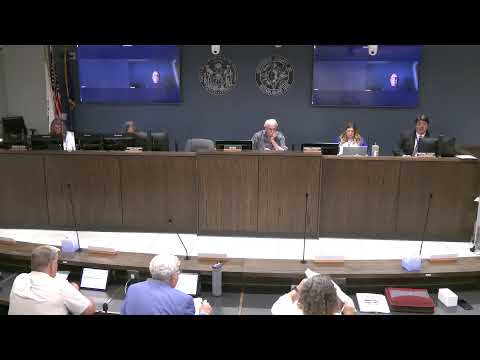
County Administrator Michael Lucky outlined on July 14 an education session on proposals to use Wisconsin's levy‑limit exemption to fund a countywide emergency medical services system.
Lucky told the Jefferson County Board the legal basis is Wis. Stat. § 66.0602, which includes exemptions allowing counties to levy for countywide emergency medical systems. He summarized a working‑group funding recommendation that would allocate funds using a formula of 50% population, 25% land area and 25% equalized value.
Why it matters: the countywide equalized value this year is roughly $12.5 billion; a quarter‑mill levy would generate about $3.14 million. “A quarter mill, to put it in dollars, is $3,140,000,” Lucky said, and projected that on the county’s median Zillow home value of $372,000 the annual tax increase would be about $93.
The administration provided agency‑level examples under the proposed formula: Fort Atkinson would receive roughly $645,000 annually; Watertown about $511,000; smaller providers such as Cambridge would receive about $18,000. Lucky cautioned the distribution numbers are illustrative and that the working group considered — but did not include — call volume or call‑density in the recommended formula.
Board members and finance committee members pressed a series of policy questions: should county funds be limited to operations or also used for capital and training; how to ensure funds are spent on EMS (compliance and maintenance‑of‑effort requirements); whether a baseline allocation should be guaranteed; how to handle town contracts and the effect on municipal levies.
Lucky urged further outreach: “We’re gonna meet with town leaders. We’re gonna meet with fire chiefs,” he said, and noted the county is at an inflection point where policy choices will determine fiscal and service impacts.
Next steps: the finance committee signaled some openness to a smaller levy (about 0.25 mills) versus the EMS working group's earlier 0.5‑mill request. Administration said it will continue stakeholder meetings and return refined proposals to committees and, if advanced, to the full board for a formal vote.
The presentation did not include a formal vote; board members asked staff to continue analyses and stakeholder outreach before any levy is placed before the county board.