Get Full Government Meeting Transcripts, Videos, & Alerts Forever!
Get email alerts on the Infrastructure topic
No spam. Unsubscribe anytime.
Amarillo leaders list water, wastewater and street projects as top priorities amid revenue constraints
Summary
Council members and staff at a leadership workshop prioritized water and wastewater upgrades, street maintenance and drainage work, and discussed financing tools and the risk of state revenue restrictions in the coming years.
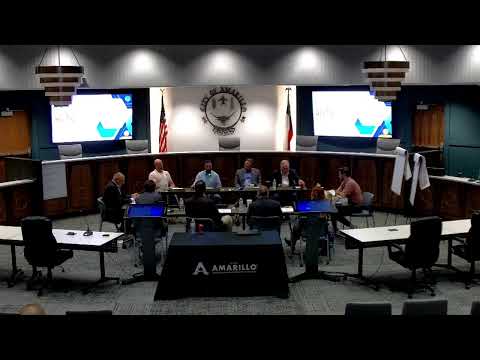
Amarillo council members and city staff used a facilitated workshop to surface the city’s most pressing infrastructure needs and to discuss how to pay for them.
Speakers repeatedly identified water and wastewater systems, an aging wastewater treatment plant and street maintenance as the most urgent capital priorities. “We need to be very aware of wastewater treatment… that’s a huge demand,” a council member said, underlining that multi‑hundred‑million‑dollar projects are on the horizon.
Staff and council discussed financing approaches that include staged debt, leases and developer‑funding tools such as municipal utility districts (MUDs) and public improvement districts to avoid putting all costs on current taxpayers. A staff speaker described a 7–10 year financing approach in which some debt is planned and allowed to roll off as projects complete, reducing the chance of one‑time "pet‑project" spending.
Panelists also flagged labor and input cost pressures: city employees number roughly 2,400, and private‑sector wage growth may push turnover without compensation adjustments. That dynamic, participants said, both increases operating costs and complicates capital delivery timelines.
The group acknowledged a near‑term planning imperative: state legislative actions that could further constrain local revenue require the city to forecast two or more years out and to build contingencies into capital plans.
Next steps from the workshop included producing a prioritized list of infrastructure projects for council review and a staff briefing on financing options timed to feed the next budget cycle.