Get Full Government Meeting Transcripts, Videos, & Alerts Forever!
Get email alerts on the Workshop Overview topic
No spam. Unsubscribe anytime.
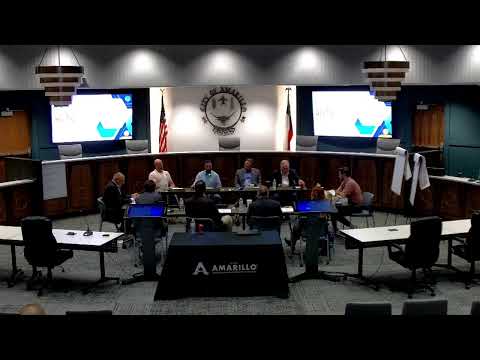
Amarillo council, staff meet in daylong leadership workshop to set 3–5 year priorities
Summary
City leaders and staff met in a facilitated workshop to align on priorities for growth, infrastructure and public safety; outcomes included a push for clearer council–staff roles, improved customer service routing and a near‑term list of infrastructure priorities to guide the budget.
In a daylong workshop facilitated by an external presenter, Amarillo council members and city staff worked to define a shared view of the city’s near‑term environment and strategic priorities.
The facilitator opened the meeting by urging the group to “gain a little bit of clarity,” framing the session around three lenses—purpose, health and results—and leading an exercise that set the tone for close, practical discussion. “Successful if we gain clarity,” the presenter said, describing clarity as the workshop’s number‑one objective.
Council members and staff repeatedly returned to the same list of near‑term challenges: continued population growth and geographic sprawl, pressure on housing and labor markets, aging water and wastewater infrastructure, rising input costs and the need for more public safety capacity. Andrew, the group spokesperson for one breakout, summarized growth concerns as “continued and sustained growth” that will extend service lines and require more officers, fire stations and infrastructure investment.
Council member David emphasized workforce impacts and institutional knowledge loss, warning that private‑sector wage pressure could lead to turnover: “Where are we going to find them? We’ve got 2,400 today. What if we lose 20% of those because we can’t keep up with wages?”
Participants spent substantial time on infrastructure needs—water and sewer upgrades, wastewater treatment, street maintenance, drainage and potential new fire stations—and on financing options, including phased debt, leasing and development‑funding tools. Staff and council also noted the complicating factor of state legislation that could constrain local revenue growth and called for two‑year and longer financial forecasting.
A crosscutting theme was the relationship between council and staff. Attendees agreed the council should reduce operational triage by elected officials and let staff handle constituent service through improved routing and tracking. The group discussed options ranging from better public education about whom to contact to technology changes (automated routing or links) and the possibility of improving the 311 triage system. One staff director described that many resident calls reach the wrong department and said better routing would reduce repeated transfers and delays.
The workshop concluded with a set of next steps: staff will document the takeaways, prioritize the top three strategic pillars to feed into the budget process, and follow up with a facilitator‑led governance coaching session and a debrief between the facilitator and the city leadership team.
The council scheduled follow‑up work to produce a written strategic summary and to give the next council a clearer handoff. The facilitator said staff and the council would get a debrief call and that a prioritized list of near‑term infrastructure and governance steps should be ready before the next budget cycle.