Get Full Government Meeting Transcripts, Videos, & Alerts Forever!
Get email alerts on the Unified Development Ordinance topic
No spam. Unsubscribe anytime.
Consultants present Unified Development Ordinance framework to North Charleston, ask for months of public feedback
Summary
Code Studio lead consultant Christy Dodson told the council the UDO is designed to 'manage' rapid growth in North Charleston, previewed eight recommendation buckets and said draft materials and a full report will be posted on the project website for public comment in coming weeks.
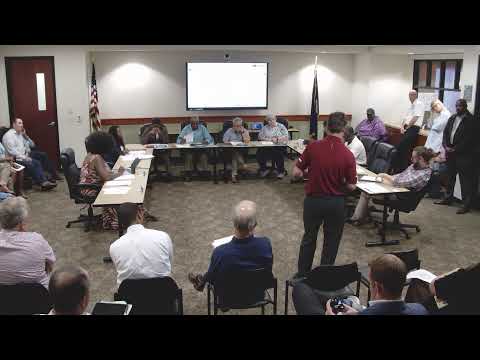
Consultants from Code Studio presented a framework for a new Unified Development Ordinance to the North Charleston City Council’s Public Safety Committee on July 16, saying the UDO will be the city’s primary tool to manage recent growth and to align zoning with the city’s policies.
“The UDO is a way to manage that growth,” said Christy Dodson, the project’s lead consultant, as she outlined a roadmap for drafting new zoning districts, a consolidated use table and updated administrative processes. Dodson said the team will accept public feedback “for the next several months” and aims to post the full report and materials on the project website within a week or two.
Why it matters: North Charleston is undergoing rapid population and job growth, consultants said, while zoning rules dating from earlier decades do not consistently implement the city’s land‑use goals. The UDO is intended to create clearer links between the comprehensive plan and the zoning map, introduce district types that allow middle‑scale housing, and make the code more usable for residents, developers and staff.
Key points from the presentation included: consultants documented a community kickoff (June 2 in person; June 9 virtual) that reached 27 neighborhoods and more than 100 residents, business owners and leaders; findings emphasized support for housing choice (including missing‑middle housing), context‑sensitive design, walkable neighborhood businesses, and greater attention to traffic and infrastructure capacity. Dodson said the team organized recommendations into eight buckets, including comprehensive‑plan alignment, use and housing policy, context‑sensitive neighborhood standards, resilience and administrative process improvements.
On overlays and maps, Dodson recommended converting confusing overlay rules into clearer base districts or explicitly mapped districts so that property owners can more easily tell what uses are permitted. She also said the UDO will include design and scale guidance so that re‑established historic lot patterns do not result in out‑of‑scale homes next to smaller cottages.
Council members asked several implementation questions, including how overlay protections would translate into the new code and how the UDO can interact with county and state roadway standards. Dodson and staff said the UDO can set cross‑section and street standards that clarify the city’s expectations for partners, but that the city cannot unilaterally control roads it does not own.
Next steps: Staff and consultants asked council and the public to review the posted materials and provide comments as the team moves toward drafting the ordinance text and revised zoning map. Dodson said further rounds of engagement will continue through the coming months, with broader community outreach planned this summer and a larger engagement push in September.