Get Full Government Meeting Transcripts, Videos, & Alerts Forever!
Get email alerts on the Sweet Help Program topic
No spam. Unsubscribe anytime.
Volunteer 'Sweet Help' program shows classroom reading gains, presenters tell Sweet Home school board
Summary
Presenters told the Sweet Home School District board that 'Sweet Help,' a volunteer reading-buddy program launched last year with private funding, engaged roughly 30 weekly volunteers, served more than 125 students across all four elementary schools and produced classroom-level improvements in reading proficiency.
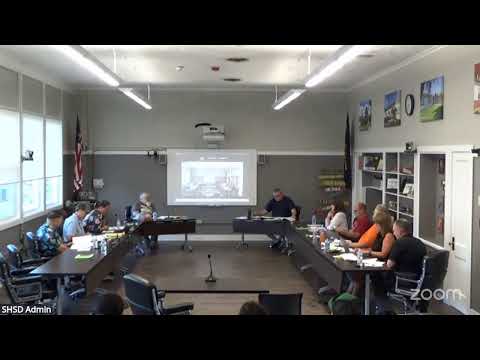
Mayor Susan Coleman, introduced by the board to present results of the volunteer literacy program, told the Sweet Home School District board on July 13 that the inaugural year of Sweet Help produced measurable classroom gains and strong community participation.
The program pairs trained, background-checked community volunteers with teacher‑identified students for weekly one-on-one or small-group reading practice. "One adult, one child, one hour each week can change the trajectory of a student's life," Coleman said, summarizing the program's goal and impact. Presenters said the program was launched with private grant funding and a volunteer coordinator who recruited and organized participants.
According to the presentation materials distributed to the board, 41 volunteers signed up and about 30 were active on a weekly basis. Sweet Help connected volunteers with all four elementary schools, delivered reading buddies in about 10 classrooms and offered nine family literacy nights that attracted parents and caregivers. Presenters said more than 125 students received additional reading support and "every participating classroom showed improvement in reading proficiency," though they acknowledged multiple factors contribute to learning gains.
Board members asked how volunteer time is scheduled and supervised. The presenter said teachers select students and determine the timing and specific tasks volunteers perform; volunteers follow teacher-directed activities and receive district training. The program leaders also handed out signup information and invited board members to serve as reading buddies.
A member of the public flagged concern earlier in the meeting about proposed policy language that could limit public comment (an item under separate policy review), and presenters emphasized Sweet Help sessions are arranged by classroom teachers and are classroom-focused rather than a forum for public advocacy.
The presentation closed with thanks to district staff and community partners, including the volunteer coordinator Michelle Knight, early literacy coach Katie Adams and principals who welcomed volunteers. Presenters said the program has established recruitment and training systems and intends to continue expanding. The board did not take a formal vote on the program; the presentation served as information for the board to consider as part of district family- and volunteer-engagement work.