Get Full Government Meeting Transcripts, Videos, & Alerts Forever!
Get email alerts on the School Policy topic
No spam. Unsubscribe anytime.
Parent urges transparency on anti-bias training and SRO memorandum at South Bend school board meeting
Summary
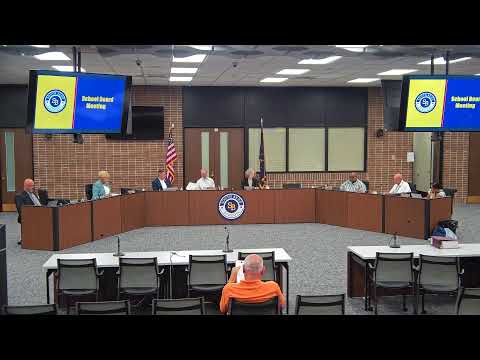
At the July 13 meeting, parent and educator Tiana Batiste Waddell criticized the district's lack of follow-through on anti-bias training and the school-resource-officer memorandum under consideration, citing a recent report and a federal consent decree and saying community engagement has been insufficient.
During the public-comment portion of the South Bend Community School Corp board meeting on July 13, Tiana Batiste Waddell, who identified herself as a parent, educator and advocate for Black families, pressed the district for clearer timelines and community engagement on anti-bias and cultural competency training for staff.
"Given the findings of both the repertory justice report and the federal consent decree, addressing racial bias and discrimination should not be treated as optional," Waddell said. She asked why the district had not shared an implementation plan or communicated timelines after an earlier meeting had indicated support for the recommendation.
Waddell also said she had filed a formal request on June 12 for an updated copy of the school-resource-officer memorandum of understanding that is under consideration and told the board she and other residents had not received substantive information about the contents, proposed changes or rationale.
"Your continued lack of attending to this issue is racist," she said, calling for meaningful engagement of parents, students and community stakeholders on revisions to the student code of conduct and SRO arrangements.
Board and staff did not present a new timeline in response during the public-comment turn. Later in the meeting, members raised related governance and policy questions (including the role of SROs and the ongoing policy work), and the administration suggested follow-up through upcoming meetings and policy sessions.
The remarks were part of a broader meeting that also included transportation, contract approvals and other routine business. The board did not vote on SRO policy or anti-bias training during the session.