Get Full Government Meeting Transcripts, Videos, & Alerts Forever!
Get email alerts on the Governance.vacancy topic
No spam. Unsubscribe anytime.
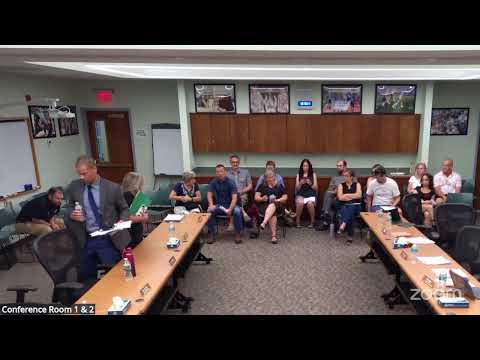
Motion to appoint fourth-place finisher fails as Rondout Valley board splits on filling vacancy
Summary
After heated public comment and internal debate, the board voted down a motion to appoint the fourth-place finisher from the May election to fill a recent vacancy and agreed to revisit the question at its Aug. 18 meeting.
The Rondout Valley Central School District Board of Education considered three options to fill a recent midterm vacancy — appoint a candidate, hold a special election, or leave the seat vacant — and deadlocked on a motion to appoint the fourth-place finisher from May’s election.
During public comment, several speakers urged the board to honor the recent election results. Alicia Colliver (S6) argued appointing the fourth-place finisher would “recognize the will of the voters” and called appointing anyone else or leaving the seat empty “disrespectful” to those who voted. Danielle Dubois (S3) also urged appointing the next highest vote-getter, saying a special election would be an unnecessary cost and that leaving the seat vacant undermines community representation.
Pete Oliver (S10), who identified himself as a 23-year district math teacher and coach, told the board the fourth-place candidate had received substantial community and employee support and argued appointment was the fiscally and practically sensible option given a recent $7 million budget gap; he said the fourth-place candidate had received 49% support in reporting cited to the board. Other public commenters urged caution, recommended leaving the seat vacant until a special election or further public input, or supported interviewing letters of interest.
On the board floor a motion to appoint the fourth-place vote-getter (identified in public letters as Justin Swisher in the transcript) was moved and seconded. The recorded roll-call on that motion produced four yes votes and at least two no votes and the motion failed. Board members who opposed said they wanted more discussion, noted that circumstances of the May election would have differed if a fourth seat had been open then, or preferred a public special election despite cost and timing concerns. A subsequent motion to postpone a final decision and revisit the vacancy at the Aug. 18 meeting carried; the board will return to the question after further consideration and outreach.
The transcript shows the board weighed democratic legitimacy, precedent-setting concerns, fiscal cost (an earlier estimate placed a special election at roughly $6,000), and the practical need to maintain quorum and voting capacity for board business. Administration noted statutory and BOCES timelines and advised the board of options and past practice.
Next steps: the board will address the vacancy again on Aug. 18, and administration will provide the letters of interest and prior practice documentation to inform the August discussion.