Get Full Government Meeting Transcripts, Videos, & Alerts Forever!
Get email alerts on the Parking Collections topic
No spam. Unsubscribe anytime.
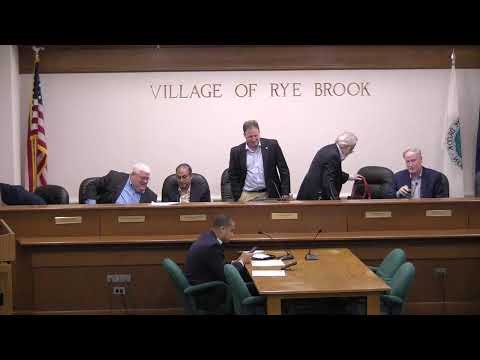
Rye Brook trustees table intermunicipal parking‑ticket collection agreement amid records and fairness concerns
Summary
Trustees paused approval of an intermunicipal agreement that would use Passport Labs and an outside collection firm to pursue unpaid parking tickets after members raised concerns about how far back collections would go, the reliability of records and fee mechanics.
The Rye Brook Board of Trustees voted to table a proposed intermunicipal agreement on July 14 after trustees said they needed clearer information about the scope and mechanics of delinquent parking‑ticket collections.
The draft agreement would have joined Rye Brook with Port Chester and the Town of Rye to authorize Passport Labs to engage a private collection firm identified in the meeting materials as Lynnbarger (materials and discussion included variant spellings). Under the draft, collection fees for past‑due tickets would be assessed at up to 140% of the ticket face value, with a portion remitted through the town to the collection firm. Village administrator Chris summarized the arrangement: “So in short, the village would get 100% of the amount due... Lindberger would get 40% of the original face value,” he said, describing the flow as the town remitting the contractor’s share back through an administrative step.
Trustees objected to several aspects of that design and to the question of how far back the contractor would seek unpaid fines. One trustee cautioned against an aggressive sweep without adequate records, saying the plan risked becoming a “fishing expedition” if older tickets lacked verifiable backing. The trustee added that poorly preserved records can lead to alarming collection notices: “My daughter got a notice from a hospital saying you owe us x amount of money… we don’t have records,” the trustee said, describing the distress caused when records are incomplete.
Board members discussed whether statutory look‑back limits apply; during discussion staff referenced different estimates (trustees mentioned two, six and even eight‑year windows), but could not confirm a single definitive period on the record at the meeting. Several trustees urged the administration to obtain the town’s agreement copy, spot‑check sample records and meet with the collection firm before the board votes.
After discussion a trustee moved to postpone consideration until the next meeting; the motion was seconded and the board voted to table the item. Mayor Klein asked staff to follow up with Trustee Crom and return with clear answers about the intended look‑back period, what records the town and vendor can produce, and safeguards to prevent mistaken or improperly‑supported collections.
By tabling the agreement, the board preserved the option to proceed later with more detailed safeguards or to decline the IMA if answers are unsatisfactory.