Get Full Government Meeting Transcripts, Videos, & Alerts Forever!
Get email alerts on the Conditional Zoning topic
No spam. Unsubscribe anytime.
Mebane staff explain conditional zoning, legal limits and local examples
Summary
City development staff and the city attorney outlined how conditional zoning differs from conventional zoning, cited state statute limits, and gave local examples — including a 2021 industrial case where a developer increased a buffer to 100 feet and a September 2024 106‑lot residential proposal with architectural commitments.
MEBANE, N.C. — City staff provided an overview of conditional zoning in North Carolina and how it is used locally, saying the tool lets developers propose site‑specific conditions while limiting the city’s ability to impose requirements without the applicant’s consent.
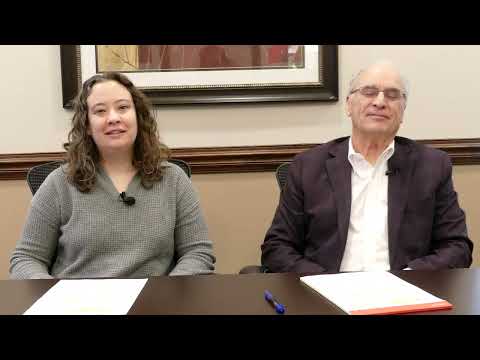
"Conditional zoning districts differ from conventional or general zoning districts," said Ashley Oimey, the city's development director, in an informational presentation. She said conditional districts are often tied to a site plan and tailored to a particular project.
Lawson Brown, the city attorney, cited state law as the foundation for the practice, saying, "In 2005, [the General Assembly] enacted Chapter 160B of the North Carolina General Statutes; section 703 establishes the conditional districts that are those zoning districts in which site plans or individualized development conditions are imposed." Brown added that state statute limits conditions to those that address site conformance with ordinances, adopted plans or impacts reasonably expected from the development.
Why it matters: Oimey and Brown said conditional zoning is a common local tool for balancing a landowner’s proposal with neighbor concerns and city policy. Oimey cited a 2018 UNC School of Government survey showing more than half of responding North Carolina local governments use conditional zoning; in jurisdictions with populations over 25,000, roughly 78% of reported rezonings were conditional.
Local usage: Oimey said that between 2022 and 2024 the Mebane City Council considered 36 rezoning requests; 26 of those — about 72% — involved conditional districts. "We definitely have," she said, referring to the frequent use of conditional zoning locally.
Local examples: Oimey described a 2021 conditional zoning case for an industrial development at the corner of Westin Road and Buckhorn Road. While the Mebane Unified Development Ordinance required a 50‑ to 70‑foot landscape buffer, she said the developer, after a neighborhood meeting, voluntarily increased the buffer to 100 feet as a condition to address adjacent residential concerns.
She also described a September 2024 single‑family subdivision application with 106 lots in which the applicant included example elevations as part of the conditional district. Oimey said staff will compare submitted home plans to those example elevations during building‑permit review.
Process and limitations: Brown outlined the technical review process that precedes planning board and city council consideration, noting that site plans are reviewed by a technical review committee composed of city departments, including fire, recreation, police, planning staff and city engineers. He reiterated that the city cannot impose conditions not authorized by law unless the applicant has expressly consented in writing.
Common conditions: Both staff said conditional districts commonly include use restrictions, setback and buffer specifications, parking standards, and infrastructure commitments such as street and utility improvements.
Public access and next steps: Oimey directed residents to the city’s website and development map to review site plans and meeting materials for pending and approved development. She also said planning staff are available by phone or email to answer questions, and that rezoning requests follow the sequence of technical review, planning board consideration and then city council action.
The presentation closed with staff encouraging residents to review posted materials and contact the planning department with questions.
Source: Informational staff presentation by Ashley Oimey, development director, and Lawson Brown, city attorney.