Get Full Government Meeting Transcripts, Videos, & Alerts Forever!
Get email alerts on the American Chestnut Restoration topic
No spam. Unsubscribe anytime.
American Chestnut Foundation asks Montreat for planting sites to restore American chestnut
Summary
Representatives from the American Chestnut Foundation told the Montreat Tree Board on Oct. 14 that they seek planting sites, including large progeny‑test orchards and smaller outreach plantings, to help breed blight‑resistant American chestnuts and to engage local residents in monitoring and education.
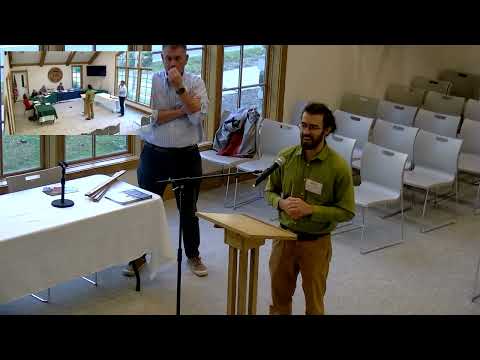
At the Oct. 14 Montreat Tree Board meeting, representatives of the American Chestnut Foundation said they are seeking sites and local partners in Montreat for outreach plantings and larger scientific progeny tests to support the foundation’s long‑term effort to restore the American chestnut.
John Chastain, the foundation’s director of development, described the organization’s scope and history and said the group’s Eastern research farm is in Meadowview, Virginia. "We're trying to bring back the American chestnut tree, to its native range," Chastain said, summarizing the foundation’s mission and the ecological role chestnuts once played.
Angus Mullens McCord, donor engagement officer, outlined the science behind the foundation’s approach. He said the foundation now uses recurrent genomic selection and regionalized breeding populations that retain mostly American ancestry while adding a small amount of Asian ancestry to confer resistance. "Within the past 2 years, we've started a new breeding program," McCord said, describing progeny tests that are inoculated with blight and evaluated over multiple years to identify resistant families.
Why it matters: the American chestnut was a dominant eastern hardwood before chestnut blight decimated populations in the early 20th century. Restoring disease‑resistant trees would affect forest ecology and offer educational and volunteer opportunities for Montreat residents.
Key details presented: - Planting needs: McCord said progeny tests require orchard‑like sites, full sun, at least an acre in size, deer protection, and ongoing maintenance. Outreach plantings for education can be smaller and more shaded. - Timeline: conventional breeding takes "7 to 10 years" per generation, McCord said, but speed‑breeding in greenhouses and genomic screening can accelerate selection. - Local history and follow‑up: McCord told the board that historical logging records show high chestnut density around Montreat and said he would follow up with the logging record; board members requested the documentation for local outreach. - Community engagement: the foundation offered to host an informational table at a native‑plant event on April 11 and encouraged residents to submit wild chestnut samples and use the TreeSnap app so useful trees can be genotyped and added to breeding pools.
Board response and next steps: the Tree Board expressed strong interest, discussed potential sites (noting some available flat and sloped sites in Montreat), and asked the foundation to send the historical records and follow up with staff. Presenters left pamphlets and measurement tools and said they can provide classroom video shorts and other educational materials.
No formal action was taken by the board at the meeting; members asked staff and volunteers to follow up on site visits and timeline options before the next meeting.