Get Full Government Meeting Transcripts, Videos, & Alerts Forever!
Get email alerts on the Education Dress Code topic
No spam. Unsubscribe anytime.
Parents, students and community clash over proposed GCCISD dress-code revisions
Summary
Dozens of speakers at the July 13 Goose Creek CISD board meeting urged opposing views on a proposed 2026–27 dress code that adds gender-specific grooming and appearance rules; administrators defended the changes as fostering safety, consistency and workforce readiness, and the board said it will gather more feedback before the next vote.
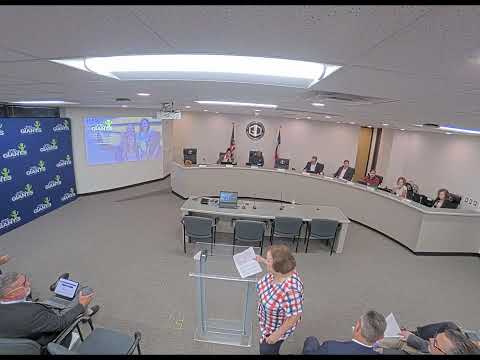
Dozens of parents, students and community members told the Goose Creek Consolidated Independent School District Board of Trustees on July 13 that proposed 2026–27 dress-code revisions either protect classroom focus or unfairly police gender expression.
The public-comment period featured largely divided testimony: several speakers supported stricter rules for safety and workplace preparation, while many students and parents said the draft targets male and LGBTQ students, imposes economic burdens and lacks evidence linking the changes to improved academic or safety outcomes.
Student Michael Joseph “MJ” McDonough told the board the draft would force him to cut six years of long hair and ban piercings and facial hair: “This new dress code would force me to cut my hair to about where the collar of my shirt sits,” he said, calling the measure discriminatory. Gabriel McNally, another student, warned the board the policy’s gender-specific rules could create “serious federal Title IX vulnerabilities,” asking trustees to reject provisions that single out male students for jewelry, makeup or facial hair.
Several parents and residents echoed those concerns. Iris Coker described the draft as “convoluted and recklessly limited,” saying it could be classist because families may have to replace large portions of students’ wardrobes. Desiree Klaus urged the district to prioritize food, mental-health services and safety over policing hairstyles and dress: “We need to redirect our focus, making sure our students’ safety is first,” she said.
Administrators and some community members argued the revisions clarify expectations and reduce classroom distractions. Kendall David, the district’s chief of community engagement, framed the changes as a response to community feedback and campus needs: the presentation emphasized consistency, modesty standards, clarified footwear rules (for example, prohibiting flip-flops and pool shoes), expanded grooming restrictions and added medical and religious exemptions. Carrie Smith, director of student services, noted the draft includes a medical/religious-exemption process that principals or the district may grant in documented cases.
Board members pressed administration on timing and implementation. Trustees asked for the exact presentation slides to be posted, asked how enforcement would be made consistent across campuses, and requested data demonstrating academic or safety benefits tied to the changes. Administrators said a district survey will be distributed within days, that they plan ongoing engagement with student and parent advisory boards, and that the proposed effective date is the 2026–27 school year.
The board did not vote on the dress code at the July 13 meeting. The administration will distribute the survey and continue advisory-board review; the board indicated it expects to see the final proposal and accompanying feedback before taking a vote at an upcoming meeting (administration referenced next board meetings including August 3).