Get Full Government Meeting Transcripts, Videos, & Alerts Forever!
Get email alerts on the Agriculture topic
No spam. Unsubscribe anytime.
Residents press county to study rules after complaints about large commercial apiary
Summary
Neighbors said a commercial bee-storage site near residential lots is causing daily nuisance and livestock watering problems; the operator told commissioners the business is longstanding and that most hives would be moved soon. The board agreed to study local options and consult the state Department of Agriculture.
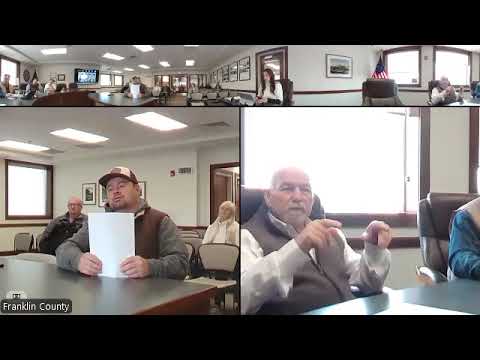
A group of Franklin County residents urged commissioners to study whether local rules should limit the size and operation of commercial apiaries after reporting frequent, daily bee activity that they say interferes with outdoor life and livestock management.
Sarah Bateman, who said she and her children cannot use their yard because of heavy bee activity, urged commissioners to consider density limits and require on‑site water for large apiaries to reduce attraction to neighboring properties. “We cannot use our land sufficiently. We can’t be outside,” she said.
The chair invited the operator of the apiary to respond. David Jepsen, who identified himself as an operator with decades of commercial beekeeping in the county, said the site is a long-standing staging location for hives and that seasonal movements and warm winter weather had increased visible activity this year. “We’ve been a commercial entity and a commercial beekeeping operation in Franklin County for almost 60 years,” he said, and described logistical needs for unloading large truckloads when hives return from wintering.
Neighbors described bees crowding water troughs used by livestock, mail delivery issues and safety concerns for children. Jepsen said his company had moved hundreds of hives in recent days and that most of the temporary staging would be relocated within weeks, but he acknowledged at least 100 hives would remain on site.
Commissioners told residents they heard the concerns, noted the state Department of Agriculture regulates bees, and agreed to study possible local measures and to facilitate contact between residents, the operator and state officials. The board did not adopt any new local rules at the meeting and asked staff to research options that respect Idaho’s right‑to‑farm protections while addressing neighbor concerns.
Commissioner (S1) asked staff to follow up with the state and report back with legal analysis and potential policy options; residents and the operator said they would attempt direct contact after the meeting.