Get Full Government Meeting Transcripts, Videos, & Alerts Forever!
Get email alerts on the Duck River Overlay topic
No spam. Unsubscribe anytime.
Board denies David King's variance request tied to Duck River overlay; pauses appeal clock pending record completion
Summary
After extended testimony and debate over public notice, permit history and mitigation options, the board unanimously denied David King's variance request related to the Duck River overlay and entered prior records into the file, pausing the appeal clock until the record is complete.
The Bedford County Board of Zoning Appeals unanimously denied a variance request from property owner David King that sought relief from the county's Duck River overlay buffer.
The board heard extended testimony and legal argument from King and his representative, who argued the overlay's adoption and subsequent amendments may not have been adequately noticed to affected landowners. The representative asked the board to consider whether Mr. King knew, or should have known, about the overlay when he bought the land and while he undertook construction.
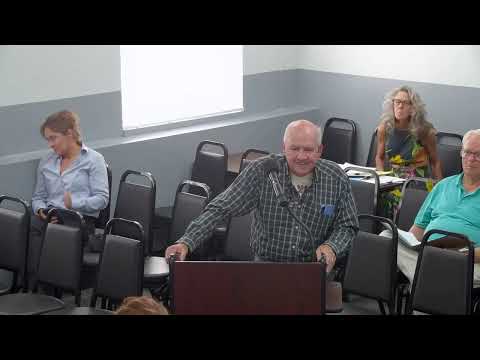
David King addressed the board and apologized for false statements about permit activity during earlier hearings. "I lied to you," King said, adding he had begun construction before seeking county building permits and accepted responsibility for that decision.
Staff described prior proceedings: the board and planning commission had previously reviewed the property in 2025 and staff recommended technical studies (including geotechnical work) to substantiate claims the lot was constrained. Building and codes director Amy Peterson said the county first learned of construction when an inspector was alerted by someone at a nearby job site; the cabin was substantially complete without a county building permit. "It was definitely past the point of when we do our inspections," Peterson said.
Board members expressed concern about precedent if owners can build without permits and later seek variances, and debated whether mitigation (engineered remediation, riparian buffer restoration or similar work) could address environmental harms without demolition. Some commissioners emphasized the difficulty of granting a variance when the record does not meet the statutory criteria for relief.
A motion to deny the variance carried unanimously. The board also voted to enter prior hearing minutes, topographical reports and correspondence into the current record and to withhold starting the appeal clock until the applicant's counsel receives the full record, so that any judicial review will include the complete documentation.
No demolition order or additional enforcement penalty was announced at the hearing; staff and commissioners discussed engineering remediation and mitigation as potential follow-up paths.