Get Full Government Meeting Transcripts, Videos, & Alerts Forever!
Get email alerts on the Technology Policy topic
No spam. Unsubscribe anytime.
Parent and teacher urge limits on Chromebooks and phones at Eagle County schools
Summary
At the July 8 Eagle County School District board meeting a parent and a high‑school teacher urged trustees to reconsider universal 1:1 Chromebook allocation and press for stronger in‑school phone restrictions, citing concerns about attention, test scores and an educator’s classroom screen‑time data.
At the Eagle County School District Board meeting on July 8, a parent and a high‑school teacher urged trustees to adopt stricter limits on device use, arguing that pervasive screen time and a campuswide 1:1 Chromebook program are harming learning.
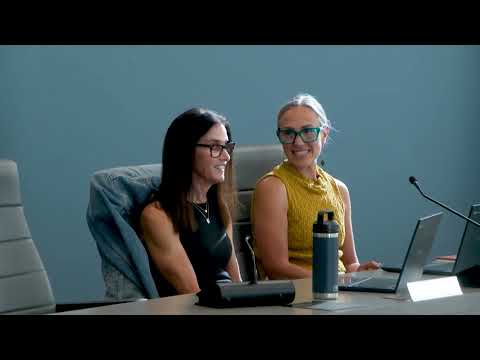
"We do not need to continue down this path of all students, K through 12 with a laptop," Hope Salinas, a parent and 17‑year district teacher, told the board during public comment. Salinas urged the district to consider psychology and neuroscience research and to develop district policies that limit classroom screen time and set boundaries for younger students.
Eddie Farrell, a Battle Mountain High School math and computer science teacher, told the board he has taken steps in his own school to reduce phones in class and presented classroom data he collected: "the average screen time was 10.2 hours a day, with a max of 15 hours a day," he said, adding that many students bring phones to class and access the internet in unsupervised ways.
Both speakers framed their concerns in academic terms: Salinas said excessive device use has reduced students’ attention spans and handwriting legibility, while Farrell said phones create frequent distractions and described classroom-level strategies teachers have developed to reduce device use.
Trustees thanked the speakers and asked them to share written remarks for follow-up; board member Juan Pena noted the issue "is real, and it's out there" and invited the speakers to submit their comments to the board office for review. The board did not take formal action at the meeting.
The questions raised at public comment come as the district reviews local assessment trends and pilot summer interventions; trustees and staff said technology and instructional priorities will be part of future conversations about practices and policies.
No policy changes were voted on at the July 8 meeting; the trustees directed staff to accept written input and to consider the concerns as part of ongoing policy discussions.