Get Full Government Meeting Transcripts, Videos, & Alerts Forever!
Get email alerts on the Early Warning Systems topic
No spam. Unsubscribe anytime.
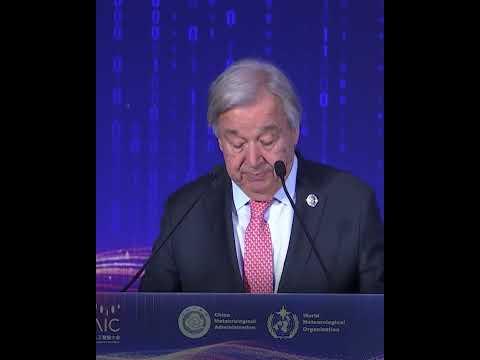
Presenter warns El Niño will intensify disasters, urges faster rollout of early-warning systems
Summary
A presenter warned that a strengthening El Niño will worsen floods, storms, wildfires and drought, said 128 countries now have multi-hazard early-warning systems (more than double since 2015), noted remaining protection gaps, and urged accelerating system coverage with help from artificial intelligence.
A presenter warned that a strengthening El Niño in the Pacific will increase the severity of floods, storms, wildfires and drought and urged a faster roll-out of multi-hazard early-warning systems to protect communities.
The presenter said, "As we meet, an El Nino is gathering strength in The Pacific. Floods, storms, wildfires, and droughts will strike even harder." He framed the shortfall in protective systems as a global emergency and said "the world remains woefully unprepared." The speaker added that "a timely warning is the difference between evacuation and a tragedy."
Citing international progress, the presenter said "128 countries now have multi hazard early warning systems, more than double since 2015." The transcript does not include a source citation for that figure; the presenter did not provide supporting documentation in these remarks.
The transcript records the speaker saying, "But TwinCED remain unprotected," but the term "TwinCED" was not defined in the recording or surrounding remarks. The presenter concluded by urging a faster pace of work and suggested that "artificial intelligence can help." No formal motion, vote, or next procedural step is recorded in the transcript.
The remarks focused on the need to accelerate warning-system coverage and on technology as a potential tool; the speaker did not identify agencies, funding sources or specific deadlines in the provided segments.