Get Full Government Meeting Transcripts, Videos, & Alerts Forever!
Get email alerts on the Data Centers Policy topic
No spam. Unsubscribe anytime.
Indio council extends moratorium and directs staff to prepare ban on data centers after months of study and public concern
Summary
After a staff presentation and extensive public comment highlighting water, heat‑island, noise and equity concerns, the Indio City Council extended its 45‑day moratorium and directed staff to draft a permanent prohibition or alternative regulatory approach for data centers in city limits.
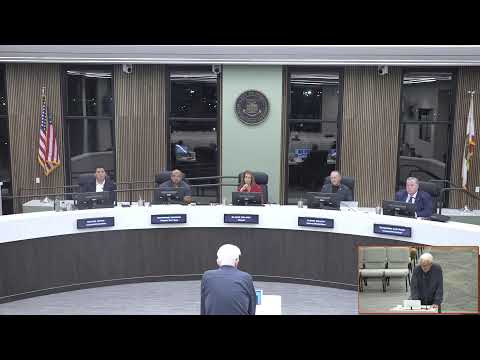
The Indio City Council on July 15 voted unanimously to extend an interim moratorium on applications for data centers and directed staff to prepare a permanent zoning prohibition or an alternative regulatory framework to address the community’s concerns.
Community development staff opened the discussion with a presentation on types of data centers and the likely scale of impacts. Brian Halverson, the city’s community development director, told the council that hyperscale campuses can be extremely large and consume very large amounts of electricity and water: he said such projects may require an environmental impact report and that the planning and sustainability commissions had recommended a ban.
That presentation was followed by more than a dozen speakers during the public comment period urging a ban. Elizabeth Humphreys, president of the American Data Center Research and Education Foundation, urged the council to prohibit data centers and argued the local health, water and heat risks outweigh benefits: “A hyperscale data center only employs approximately 50 people,” she said, adding that communities commonly subsidize sites that do not produce large numbers of local jobs. Multiple residents and local organizers echoed concerns about noise, potential groundwater impacts and long‑term demands on scarce regional water and power resources.
Opponents also cited cases from other states where large data operations were linked to legal and environmental disputes. Supporters of a measured regulatory approach — including a labor‑industry coalition representative — said some smaller or specialized facilities can bring construction jobs and revenue; they urged a regulatory path rather than a blanket ban.
Council members debated enforceability and scope. City Attorney staff advised that a city can prohibit a land use if the prohibition is supported by defensible findings; the attorney’s office also noted the city cannot directly regulate uses in its unincorporated sphere of influence, which remains under county jurisdiction.
Councilmember Ortiz moved to extend the moratorium (the initial moratorium was 45 days) and to direct staff to draft a permanent unified development code amendment to prohibit new data centers in all zones or present an alternative regulatory approach. Mayor Pro Tem Furman seconded the motion; the council voted unanimously. Staff told the council they expect to bring draft code amendments to the Planning Commission in August and to return to council for hearings in September, with a likely effective date in late October or early November if the ordinance proceeds.
The council’s action preserves time for technical study and public review while staff prepares ordinance language and findings required to support a prohibition or other standards.