Get Full Government Meeting Transcripts, Videos, & Alerts Forever!
Get email alerts on the Public Comment Waitlist topic
No spam. Unsubscribe anytime.
Families tell lawmakers multi‑year waits for HCBS waivers leave children and adults without vital supports
Summary
During public comment at the Committee on Appropriations & Revenue subcommittee, parents and waiver recipients described years‑long waits for Michelle P and SCL waivers, urged increasing slot capacity and prioritizing medically complex children, and warned that provider shortfalls and funding cuts threaten the stability that waivers provide.
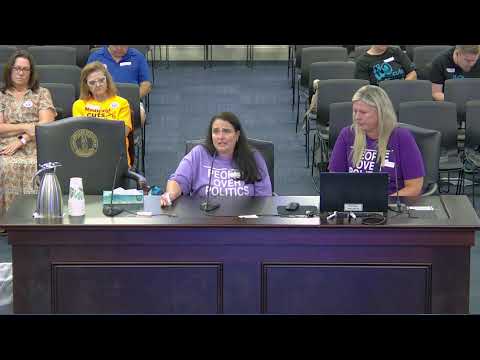
Family members and current waiver recipients delivered emotional public comments at the Committee on Appropriations & Revenue subcommittee about the human cost of long 1915(c) waiver wait lists.
Vanessa Johnson of Allen County said her 9‑year‑old grandson has been on the Michelle P waiver wait list for more than seven years and described repeated infections and safety risks while the family waits for services. "Seven years is not waiting. It's years of living without the supports that help medically complex children stay stable," Johnson said.
Jennifer Moneer, an advocate and former special‑education teacher, described workforce and funding pressures for the direct‑support workforce and warned that shrinking reimbursement pools make it harder to find trained providers. Multiple parents and recipients — including Steven Stone, Claire Migner and Joy Baum — credited waiver services with enabling independence, employment and community life. "I would not be here today without them," Steven Stone said of his Michelle P services.
Speakers repeatedly urged the subcommittee to increase waiver capacity, improve prioritization so medically complex children receive timely slots, and protect waiver funding from cuts that reduce provider capacity. Amber Wilson detailed the practical strain on working families who pay out‑of‑pocket or lose services when a slot does not materialize; Marybeth Patton and Joy Baum recounted how waiver services made it possible to keep their children at home and remain in the workforce.
Committee members acknowledged the testimonies. The Chair said the subcommittee values public input and reiterated that the agency will accept written follow‑up, and officials said they will return in October with a House Bill 2 tasking report that will include recommendations on screening, prioritization and outreach.
The subcommittee did not take formal action during the meeting.