Get Full Government Meeting Transcripts, Videos, & Alerts Forever!
Get email alerts on the Utilities Billing topic
No spam. Unsubscribe anytime.
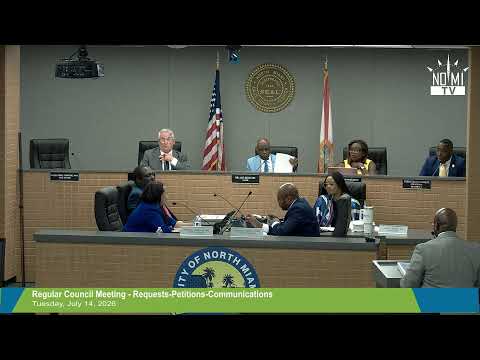
North Miami council moves utility billing from quarterly to monthly amid affordability concerns
Summary
After extended debate about resident hardship and technical readiness for online payments, the council voted 4–1 to change utility billing from quarterly to monthly, with staff promising phased implementation, outreach and assistance options for vulnerable households.
The City of North Miami approved a change to its utility billing policy on July 14, moving from quarterly billing cycles to monthly billing. Proponents said monthly bills reduce the size of individual invoices and make payments easier to manage; opponents warned the change could increase short-term delinquencies for residents already struggling with bills.
City Manager (presented by staff) said the administration will phase in the change, provide advance notice and run outreach, including town halls and demonstrations of any new payment apps. "We'll definitely do notice and times to kinda catch up," the manager said in response to council questions about implementation.
Council members and residents pressed staff on several operational matters: whether fees charged by county or third parties would be assessed monthly, the timeline for enabling online payment options, and whether the switch could be delayed until smart meters or billing apps were in place. Vice Mayor Cassandra Timothy and others said the change should help people avoid large, lump-sum quarterly bills and reduce uncollected receivables for the utility.
The council approved the ordinance to move to a monthly billing cycle by a 4–1 vote. Staff said the change will be phased to allow residents time to adjust and that an assistance program (the city’s existing utility assistance and a proposed Helping Hands program) would be available for qualifying households.
Next steps: staff will publish the implementation timeline and outreach schedule, work to enable online payment options, and coordinate with customer-assistance programs to reduce negative impacts on low‑income households.