Get Full Government Meeting Transcripts, Videos, & Alerts Forever!
Get email alerts on the Election Observation topic
No spam. Unsubscribe anytime.
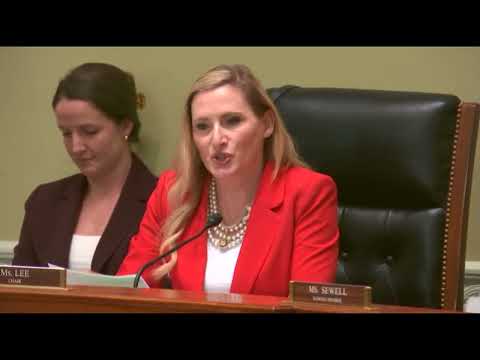
Subcommittee chair outlines Congress’s role in election observation, urges professional standards
Summary
The subcommittee on elections opened a hearing stressing Congress’s constitutional authority to observe federal elections and urging clear credentialing, training, and respect for election workers as essential elements of a professional observation program.
The subcommittee chair opened a hearing titled “election observation, best practices and congress's role,” saying the session would examine how observers can support transparent federal elections. The chair said observers help by documenting what they see, asking questions through established procedures, and ‘‘helping confirm elections are conducted according to law.’’
The chair noted Congress’s oversight role, citing Article I of the Constitution and saying that each chamber must be able to judge the elections, returns and qualifications of its members. The statement framed observation as necessary for Congress to ‘‘faithfully fulfill its constitutional responsibility’’ when federal elections determine who serves in the House.
The chair described the Committee on House Administration’s congressional election observer program and said Congress reaffirmed the committee’s authority through the Congressional Observer Access Act (referred to in the transcript as the COCO Act). According to the chair, congressional observers are dispatched to observe, document, and report back to the committee so an objective factual record exists if questions arise during a federal election.
Emphasizing why observation matters, the chair said close House races have sometimes been decided by only a few hundred votes or fewer, making an accurate record ‘‘especially important.’’ The chair argued the program’s success depends on clear roles and mutual understanding among observers and election officials.
On best practices, the chair urged election officials to establish credentialing procedures, define observation boundaries, and maintain clear channels of communication. The chair said observers should be well trained, know the laws of the jurisdictions where they observe, respect election workers and voters, document what they observe, and raise concerns through appropriate channels.
The hearing, the chair said, is intended to gather witnesses’ expertise on strengthening transparency and professional election observation. The chair concluded by thanking witnesses for joining the hearing and expressing anticipation for their testimony.