Get Full Government Meeting Transcripts, Videos, & Alerts Forever!
Get email alerts on the Water Asr topic
No spam. Unsubscribe anytime.
Temple presents ASR plan amid public concerns about data centers and Rowan'built well
Summary
City staff outlined an aquifer storage and recovery (ASR) plan centered on a pre-drilled 'synergy' well the city says Rowan constructed and dedicated to Temple; multiple residents raised concerns about data-center water use, alleged nondisclosure agreements and aquifer safety during public comment.
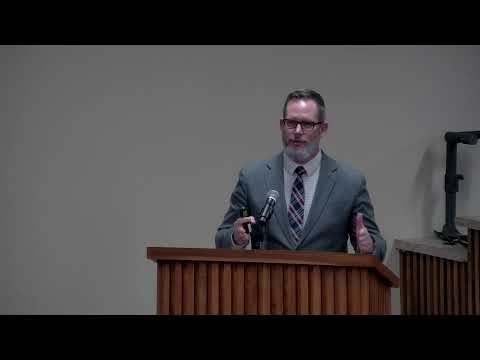
City staff on July 25 gave a detailed overview of Temple's aquifer storage and recovery (ASR) project and sought to calm public questions about who controls water from the site known as the "synergy well." The presentation, delivered by Ms. Myers, said ASR stores treated water underground for later recovery during droughts or peak demand and that the system must meet Safe Drinking Water Act standards and TCEQ permit requirements.
Ms. Myers described Temple's existing water-rights portfolio—about 40,000 acre-feet of surface-water rights including storage in Lake Belton—and said the planned ASR field could add roughly 10'15% to the city's available capacity when fully developed. She said the first phase is estimated at $20,000,000 and that the synergy well has already been drilled and performed better than initial studies expected.
Responding to circulating claims, Ms. Myers told the council "the city of Temple owns and controls the Synergy Well. As part of an economic development agreement, Rowan constructed the well, but Rowan does not own the well. They do not own the water." She said Rowan's use is limited by utility-service agreements and any future access would require separate council approval.
Multiple speakers during the public-comment period disagreed with the council's portrayal or demanded more oversight. Nell Brinley asked who signed nondisclosure agreements with Meta or Rowan and whether Meta and Rowan had completed UL 9540 fire-code testing. Alice Stinson asked whether Flock Safety camera data or ALPR feeds were linked to data-center timelines and who audits camera accuracy. Joe Royer warned that ASR is "very dangerous" if mishandled and said the Texas Water Development Board does not treat ASR as a routine solution, adding that "something as simple as having too much oxygen in the water can poison the aquifer." Lori Broughton cited an independent study of data-center backup generators, saying particulate emissions cause documented regional health impacts.
Mayor and staff repeated the city's account that Rowan paid for the initial well construction and dedicated the infrastructure to Temple as public infrastructure, and that the city holds the water rights. Ms. Myers said ASR wells require metering of injected and recovered volumes and TCEQ oversight of water quality and effects on existing wells.
The presentation and comments left some issues unresolved at the meeting: residents asked for documents relating to utility-service agreements, any nondisclosure agreements, and the specific limits in contracts with Rowan and Meta. Ms. Myers said any future phases, and any additional contractual water access, would require separate council action.
The council did not take action on the ASR project at the meeting; the item was informational and subject to future grant and budget decisions.