Get Full Government Meeting Transcripts, Videos, & Alerts Forever!
Get email alerts on the Wellbeing Pathway topic
No spam. Unsubscribe anytime.
KU and Children’s Cabinet preview Kansas child and family well‑being pathway; public launch expected in early October
Summary
KU’s Center for Public Partnerships and Research and the Children’s Cabinet gave a sneak peek of a strengths‑based, county‑level Well‑Being Pathway dashboard that scores six dimensions of child and family well‑being, offers action steps and bright‑spot sharing, and is slated to go live in early October.
KU’s Center for Public Partnerships and Research (KU CPPR) and the Children’s Cabinet on Wednesday previewed a new Kansas child and family Well‑Being Pathway, an interactive, strengths‑based dashboard intended to help communities track and strengthen child and family well‑being.
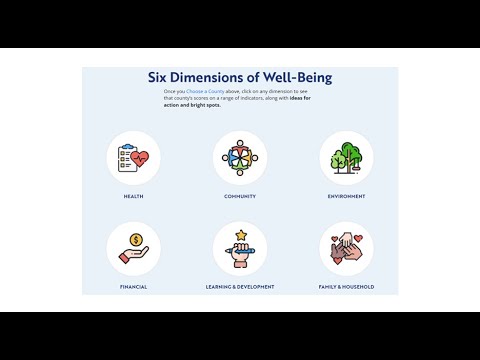
"This is a strengths based data driven tool," said Megan Chisick, a KU CPPR presenter, describing a dashboard that maps county‑level data across six well‑being dimensions and accompanying action steps for communities, organizations and policymakers. The presenters said the tool was cocreated with Kansans, including lived experts, and combines focus‑group input with publicly available data and a systematic review of community initiatives and literature.
The dashboard displays each county’s performance on a 1–10 scale (labeled getting started, strengthening and excelling) and lets users click into dimensions and indicators to see the underlying data sources. "We worked with several different existing groups and a group of lived experts to really help us understand what does family well‑being mean," said Dr. Kayla Byers, a KU CPPR presenter, saying the project aims for a nuanced, community‑driven definition of well‑being.
Using an example county, presenters showed how the pathway provides demographic context (based on KDHE population classifications), snapshot scores for each dimension, indicator‑level detail and suggested action steps organized by user type (individuals, community groups, organizations, policymakers). Chisick said the tool links to national sources such as the CDC and to Kansas‑specific plans and data.
The team invited attendees to submit Kansas 'bright spots'—local programs or initiatives that illustrate promising practice—via a link shared in the webinar chat, and said the pathway will include a bright‑spots section for sharing those examples across geographies and populations.
Presenters described planned features: a downloadable county snapshot (PDF) to share local findings, and annual updates to the index timed to the availability of source data. "We anticipate this will go live in early October," Chisick said; organizers asked webinar attendees for feedback on making the site more usable for families as well as professionals.
In the question period, a participant asked whether the dashboard is intended for families and caregivers or only professionals; presenters said they want it to be broadly useful and invited suggestions to make it family‑facing. Another attendee recommended coordination with the Kansas Family Support Center at KU Medical Center, which maintains a resource database that could complement the pathway for families in crisis.
What happens next: presenters plan to publish the public site in early October, circulate the link via the All In for Kansas Kids e‑newsletter and provide downloadable county snapshots and the pathway methodology on the site. Organizers said they will update the index annually and expand interactivity over time as new data become available.
Speakers quoted or referenced in this report include: Megan Chisick (KU CPPR presenter), Dr. Kayla Byers (KU CPPR presenter) and Julia Gruss (webinar moderator, KU CPPR).