Get Full Government Meeting Transcripts, Videos, & Alerts Forever!
Get email alerts on the Superintendent Performance topic
No spam. Unsubscribe anytime.
New superintendent outlines 100-day plan; trustees pick three evaluation priorities
Summary
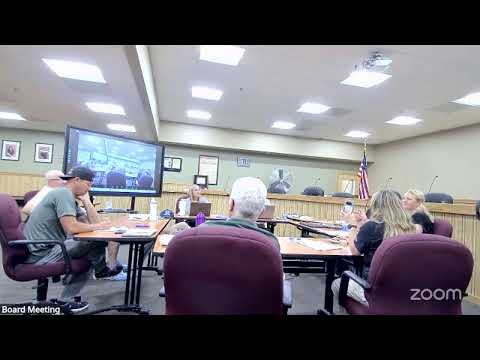
Superintendent Melissa Cole presented a 100-day entry plan emphasizing listening, school visits and building a data dashboard. Trustees agreed on three year-one evaluation standards — organizational management, data systems, and communications with students, staff and families — and set interim check-ins in December.
Superintendent Melissa Cole presented a three-phase 100-day entry plan and asked the board to back a staged approach of listening, aligning instruction and strengthening systems. "My first responsibility...is to listen and to listen deeply," Cole said as she described school visits, stakeholder listening sessions and a plan to synthesize findings by Oct. 8.
Trustees and the facilitator framed the plan as the foundation for year-one goals and performance measures. Consultant Christy (facilitator) urged trustees to focus oversight on student outcomes: "If you aren't talking about student learning in the boardroom, you're not doing your job," she said, calling for data-driven questions when the board reviews reports.
Cole told the board she will prioritize three activities during the 100 days: (1) broad listening with staff, students and families across the district, (2) classroom- and building-level instructional reviews, and (3) alignment of operational systems so those instructional improvements can be sustained. She said the districts current data tools are "clunky" and that a usable dashboard for attendance, interim assessments and subgroup outcomes is a near-term need.
Trustees coalesced around three evaluation standards for Cole's first year: strengthening organizational management (hiring/retention systems and operational coherence), creating coordinated assessment and data-analysis systems, and developing clear communications and relationship-building with students, staff and families. The board asked Cole to return with concrete, measurable evidence of her year-one work, including proposed measures and a timeline for interim check-ins.
The board agreed to an early check-in (December or January) as an "interim evaluation" to document progress and to a fuller evaluation process tied to a calendar the board will finalize before the next formal evaluation cycle. The facilitator offered to draft suggested standards and an evaluation calendar for the board to consider at its next business meeting.
Cole closed by asking for trustee support as she builds visibility across schools and communities. Trustees emphasized the value of visiting learning environments with cabinet members so they see instruction first-hand and can ask informed questions in later meetings. The session concluded with the facilitator and superintendent agreeing to circulate draft evaluation language and evidence expectations before the next board meeting.