Get Full Government Meeting Transcripts, Videos, & Alerts Forever!
Get email alerts on the Stormwater topic
No spam. Unsubscribe anytime.
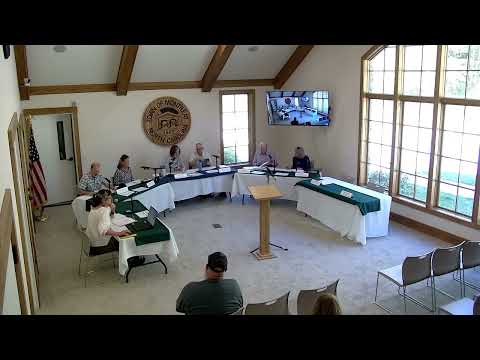
Montreat official says recent storm exposed aging stormwater system, urges stormwater-first focus
Summary
Barry Criesman told the Planning & Zoning Commission that intense short-duration storms overwhelmed Montreat’s older stormwater pipes and urged upsizing, material upgrades and lot-level measures like rain gardens; commissioners agreed to prioritize a stormwater subcommittee and clarify enforcement responsibilities.
Barry Criesman, who led the commission’s post-storm update, told members the town’s older stormwater assets—many pipes and culverts dating to the 1950s and 1960s—were overwhelmed by unusually intense rainfall. "You can't prepare enough for what the type of storm that we had," Criesman said, describing current efforts to replace culverts with larger sizes and, in some cases, different materials to carry higher flows.
Commissioners said Helene highlighted both infrastructure limits and maintenance gaps. Criesman said rapid, high-volume downpours—"a 2 or 3 inch rain in 45 minutes"—now occur more often and overload systems sized for slower storms, increasing downstream damage. He noted the town has collected substantial debris in recent weeks and that crews have picked up "almost 500 bags of leaves" in the last month to reduce fire risk and drainage blockages.
The commission agreed that stormwater should be the next ordinance priority. Members recommended forming a stormwater subcommittee, discussed requirements for professional plans on complex projects and explored practical compliance tools such as quarterly inspections or photographic proof of maintained rain gardens. Chair advised confirming legal constraints with the town attorney before drafting new enforceable measures.
Why it matters: Commissioners said stormwater failures pose recurring public-safety and property risks and that stronger project oversight could reduce downstream damage and litigation exposure. The zoning administrator, Shelley Johnston, flagged capacity limits in local enforcement and suggested coordinating with county building inspectors or the regional council of governments for follow-up inspections.
Next steps: Commissioners volunteered to staff a stormwater subcommittee, and the chair asked Shelley Johnston to confirm what the town attorney and state law permit before the subcommittee begins drafting ordinance changes.