Get Full Government Meeting Transcripts, Videos, & Alerts Forever!
Get email alerts on the Fisheries Policy topic
No spam. Unsubscribe anytime.
Coastal counties form coalition in Morehead City to oppose proposed shrimp-trawling ban
Summary
Attendees from nearly 20 coastal counties met in Morehead City to form the Coastal Counties Coalition, vowing coordinated outreach against a bill that would ban shrimp trawling in the sounds. Speakers warned of declines in commercial fishing, potential job losses across the seafood supply chain and plans to bring the issue to statewide county leaders.
Representatives from coastal counties gathered in Morehead City to form the Coastal Counties Coalition and announced coordinated opposition to a recent bill that would prohibit shrimp trawling in the sounds.
The meeting’s organizer (Presenter) said she launched the group after watching fishermen and their families protest in Raleigh and mailed invitations to 19 counties; "Everybody said, yes," she said, describing the coalition as a way to protect local seafood supplies and the livelihoods of commercial fishermen.
A speaker who identified herself as a marine biologist and a longtime state fisheries employee said she has worked on fisheries policy for decades and warned that "our commercial fishing industry is at the lowest state that it's been since the fifties," adding that numbers of fishermen, wholesale dealers and processors have all fallen.
A resident of Hatteras Village described the local impact: her husband is a commercial fisherman, she said, and she sees daily struggles at docks and fish houses. She added that commercial fishermen often are "the first ones back on the water to bring food to the villages" after storms, framing the fleet as a component of community resilience.
Another participant warned the proposed shrimp ban would shut down an entire sector and ripple through the supply chain: "When you eliminate the shrimpers, they're going to the fish house, that is gonna eliminate the fish house," the speaker said, arguing that policy should aim to create jobs, not eliminate them. Several speakers also contrasted local fresh seafood with imports, saying consumers want local products rather than foreign shrimp.
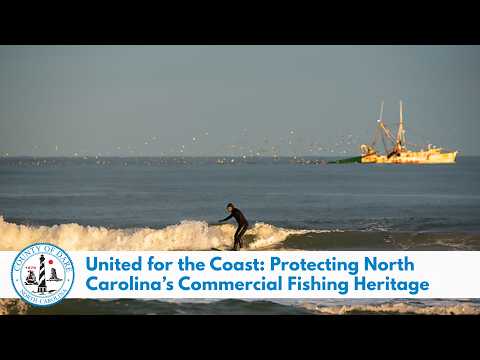
Coalition organizers described short-term outreach steps: sharing a roughly 20-minute video produced by one county with coalition members and seeking time on the North Carolina Association of County Commissioners agenda to present their concerns. Organizers also said they have formed an environmental committee and a legislative committee composed of elected leaders to convey county concerns upward.
Speakers emphasized scale as a lever for influence: participants said awareness in Raleigh is growing and described the group as "20 counties strong," a figure offered as a rhetorical measure of reach. The organizer said the coalition hopes state marine fisheries will consider industry input and scientific evidence when making decisions.
No motions, votes or formal actions were recorded at the meeting; participants described planning and advocacy steps rather than adopting a formal resolution. The meeting closed with a call to defend the seafood industry as both a local economy and a food source for coastal communities.