Get Full Government Meeting Transcripts, Videos, & Alerts Forever!
Get email alerts on the School Bond topic
No spam. Unsubscribe anytime.
Wenatchee superintendent explains school bond basics, oversight and risks of delay
Summary
Corey Kelleher, superintendent of the Wenatchee School District, explains in a Bond FAQ video that bonds fund construction and renovation (not salaries), are repaid through local property taxes, require 60% voter approval and, he warns, delaying projects can raise costs.
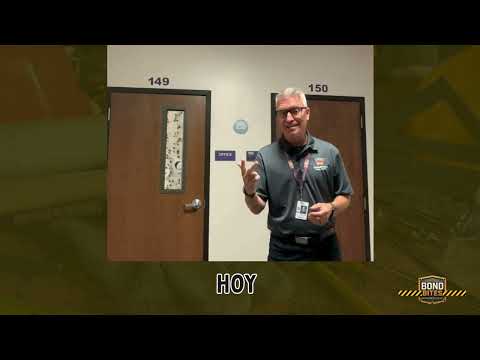
Corey Kelleher, superintendent of the Wenatchee School District, said in a Bond FAQ video that a school bond is "a long term loan" the district would repay with local property taxes and that the funds pay only for construction, renovation and facility improvements.
"When voters approve a bond, the district borrows the money to pay for construction and then repays it over time through property taxes," Kelleher said. He added that bond proceeds "don't go anywhere, and they don't go to Olympia," saying the repayments stay in the Wenatchee Valley to fund local schools and community resources.
Kelleher told viewers the district last passed a bond in 2014 to rebuild Washington Elementary and modernize Lincoln Elementary, and that a recent refinancing of that bond "saved our local taxpayers $6,600,000 over the next 8 years." He said bonds cannot be used for teacher salaries, supplies, or daily operating costs, which are covered by the district's operational budget.
On oversight, Kelleher said any approved bond would be managed with "full transparency," be subject to independent annual audits and be overseen by a citizens committee from the community. He also told listeners that state law prohibits using the operating budget for construction and that the bond is the state-provided mechanism for building and remodeling schools.
Kelleher cautioned that postponing needed work raises deferred-maintenance costs and makes repairs on aging systems more expensive; he stated that waiting can increase overall project costs "up to 7%." He also noted that school bonds in Washington require a 60% supermajority of voter approval.
Kelleher said the next video will detail what a proposed bond would build and how much it would cost, and he directed viewers to the district's bond webpage for more information. The district closed the video with a branding line, "We are Wenatchee, building for learning and ready for the future."