Get Full Government Meeting Transcripts, Videos, & Alerts Forever!
Get email alerts on the Ai Export Controls topic
No spam. Unsubscribe anytime.
House Foreign Affairs Committee chair presses BIS to tighten export controls in AI "arms race" with China
Summary
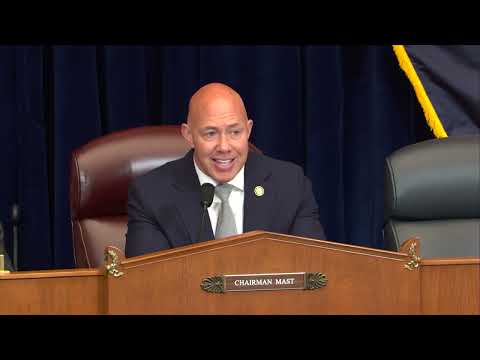
The chair of the House Foreign Affairs Committee opened a hearing by urging Bureau of Industry and Security under secretary Kessler to add Chinese-linked companies to the BIS entity list, close export-control loopholes, and speed licensing decisions to prevent advanced AI technology transfer to China.
The chair of the House Foreign Affairs Committee opened the hearing by telling Under Secretary Kessler that the session was about "beating the Chinese Communist Party in the AI arms race." The chair said the United States and its industries must act now to prevent China from obtaining advanced artificial-intelligence capabilities that could be used against U.S. interests.
The chair framed the Bureau of Industry and Security (BIS) as central to that effort. "BIS is the tip of the spear in this tech war," the chair said, urging the under secretary to pursue the White House's objectives and to work with the committee on legislation and enforcement. The chair cited comments attributed to U.S. officials to underline the stakes, saying, "When CIA director John Radcliffe says that the frontier models are developing capabilities akin to digital nuclear weapons, I take that very seriously." The opening remarks also named specific companies and programs the chair said should face scrutiny.
Why it matters: The committee chair said advanced AI models can change military and intelligence balances and posed a risk to critical U.S. infrastructure. The remarks set the tone for a hearing focused on export controls, entity listings and licensing decisions at BIS — regulatory tools used to limit foreign access to certain technologies.
Key points made by the chair
- Presidential metrics: the chair recited four presidential goals for BIS: "no Blackwells for China"; closing export-control loopholes as described in the "America First trade policy" memo; tightening controls on chip-making equipment and preventing allies from undermining U.S. export controls; and barring Chinese military end users and remote access under the "h 200" rule.
- Entity list and licensing: the chair said success requires adding every company identified by the Department of War as a Chinese military company to the BIS entity list and stopping all smuggling of advanced tools into China. The chair said BIS had not added entities to the list "in 2025, since October '25" and called for faster, clearer licensing decisions to help American businesses comply.
- Enforcement and committee action: the chair acknowledged recent enforcement steps, including denying licenses to blacklisted companies, and said the committee has marked up more than 20 export-control bills to support the administration's objectives and to provide BIS with the authorities and resources it needs.
Claims and contested assertions
The chair made several forceful assertions about Chinese intentions and past actions, including that China "is trying to steal our technology" and that it "already unleashed COVID on us." Those statements were presented as the chair's view and were not followed in this transcript by direct responses from witnesses or agency representatives. The transcript also attributes to the chair claims that specific firms (including CXMT and Alibaba) are Chinese military-linked and cites remarks attributed to named U.S. officials to stress urgency.
What the hearing will take up next
The chair thanked Under Secretary Kessler for appearing and said the committee looks forward to BIS's testimony on implementing the president's guidance, including entity listings, export-control enforcement, and licensing clarity. No motions or formal votes were recorded in the opening remarks provided.
The hearing then proceeded to testimony from Under Secretary Kessler.