Get Full Government Meeting Transcripts, Videos, & Alerts Forever!
Get email alerts on the Zoning topic
No spam. Unsubscribe anytime.
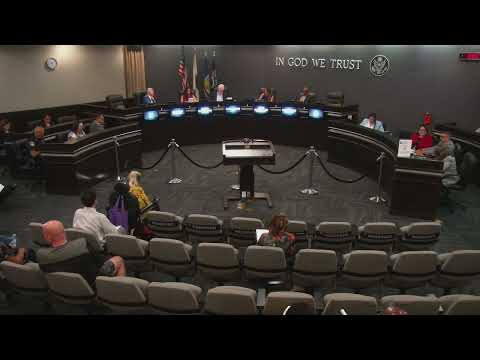
Lancaster introduces zoning changes to regulate 'MART' businesses, replacing tobacco moratorium
Summary
Council introduced Ordinance No. 1153 to create a MART compliance program that requires planning approvals for massage, alcohol (bars/liquor stores), recycling and tobacco specialty shops and sets location, development and minor-use-permit requirements; staff will seek fee reductions for MUPs and implement a phased compliance schedule.
Planning manager Kendall Brecke presented a zone-text amendment (ZTA No. 2602) that groups four business types—massage, alcohol (bars and liquor stores), recycling facilities, and tobacco smoke shops—into a MART compliance program. The proposal would require affected businesses to obtain planning approval (primarily Minor Use Permits) when their business licenses renew, set development standards (setbacks, height limits, architectural standards) for recycling uses, and clarify which tobacco retailers are subject to the new rules (shops with at least 8% floor area dedicated to tobacco products). A distance requirement from sensitive uses (homes and day cares) remains, with waiver options for long-standing compliant businesses.
Brecke said the ZTA is intended to replace a temporary tobacco moratorium and provide a clearer, enforceable path forward for compliance and oversight. Staff noted a concern from business owners about MUP costs and said they are pursuing options to reduce application fees and will return to council with a proposal. Council moved to introduce the ordinance and it was seconded and adopted for introduction unanimously.
Several business owners, including Carlo Shehadi, testified that they support robust enforcement against violators but asked that lawful, licensed businesses not be unfairly burdened. Councilmembers thanked staff for outreach and emphasized a desire to balance safety and business viability.
Next steps: the ordinance was introduced for formal adoption at a subsequent meeting; staff will return with cost-reduction options for Minor Use Permit fees and a phased implementation schedule.