Get Full Government Meeting Transcripts, Videos, & Alerts Forever!
Get email alerts on the Digital Access topic
No spam. Unsubscribe anytime.
Groveland board presses for tech help as seniors struggle with phone portals
Summary
Board members raised concerns about older residents being excluded by phone menus, portals and smartphone-only workflows and suggested workshops, one-on-one help and library partnerships to help seniors manage appointments and online portals.
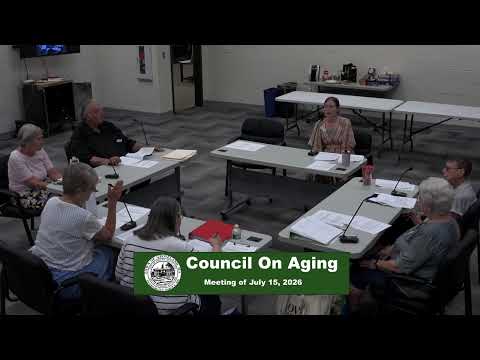
Board members at the July 15 meeting flagged growing barriers for older residents who must use smartphones and online portals to access basic services.
One board member read a Facebook post that warned against digital exclusion, saying in part: "A society that forces a 90 year old to use a smartphone in order to access basic rights is not a modern society... Technology should serve people, not determine who is still entitled to dignity." Members described frequent examples of seniors getting stuck in phone menus, having full voicemail boxes, or being directed to portal pages they cannot navigate.
Director Alyssa Lee said the COA could offer workshops and one-on-one help. "Maybe something we could do... have a workshop on how to empty your voice mailbox, how to put a doctor's office in your contact list so that it doesn't go to junk," she said.
Board members suggested a range of practical responses: scheduling small-group tutorials, offering printed step-by-step instructions, and coordinating with the public library’s technology help (staff named Matt) for appointment-based 1:1 support. Members noted that frequent but short interactions (for example, an appointment that happens only occasionally) can make retention of skills difficult and recommended written takeaways and follow-up assistance.
The board did not vote on specific new programs at the meeting but directed staff to explore workshop formats and partnerships and to publicize existing library services. Several members emphasized that helping older residents navigate phones and portals is a priority for sustaining access to health care and other services.