Get Full Government Meeting Transcripts, Videos, & Alerts Forever!
Get email alerts on the Data Centers topic
No spam. Unsubscribe anytime.
Lansing council adopts 182‑day moratorium on new data centers after heated public hearing
Summary
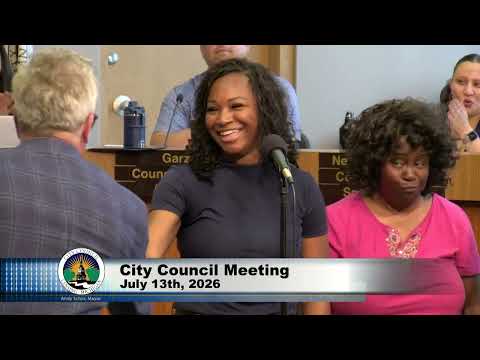
After a public hearing with more than a dozen speakers for and against, the Lansing City Council on July 13 adopted a temporary 182‑day moratorium on new data centers to allow time to draft zoning, noise, water and community‑benefit standards; the ordinance passed 7–1.
The Lansing City Council voted 7–1 on July 13 to adopt a temporary moratorium that pauses approvals for new data centers in the city for 182 days while staff and council draft zoning and regulatory standards.
Council Member Costa, who introduced the measure, said the pause is intended to give the city time to create a legal definition of “data center” and to update multiple sections of the municipal code so standards are enforceable. “This is temporary in nature until we can get some more concrete regulations in place for data centers, because currently we have none,” Costa said.
The moratorium followed an extensive public hearing in which more than a dozen residents, union representatives and advocates spoke. Supporters of the pause cited problems exposed by the recently proposed Deep Green project and argued the city needs safeguards on noise, water disposal, decommissioning and community benefits. Loretta Stanaway said the Deep Green review had illustrated “a comedy of errors” involving utility and developer claims about power, heat and infrastructure, and urged passage of the moratorium.
Opponents warned a moratorium could chill investment. Jason Brown, representing UA Local 333 (plumbers and pipefitters), said a pause could make Lansing look unwelcoming to development and risk losing projects that meet future standards. “If a moratorium were to be passed, how does that make Lansing look to any other type of development?” Brown said.
Council debate reflected those tensions. Council Member Garza explained her lone recorded no vote by arguing the ordinance could send the wrong message to prospective developers and questioned why the city would single out data centers rather than broadly regulating other high‑impact land uses. Garza said concerns raised about glycol and water use can have nonhazardous options and worried about unfairly deterring investment.
Council Member Nevarez Martinez, Vice President Paola Vaniglo and Council Member Hussain defended the pause as a narrowly tailored, time‑limited step to let the city craft enforceable regulations, including noise standards, environmental impact statements and community benefits agreements. “We need time to do those things,” Nevarez Martinez said, adding the moratorium will allow the city attorney’s office and staff to produce ordinances that can withstand legal review.
The council discharged the item from the Committee on Development and Planning and read the ordinance a second time before voting. Roll call on adoption recorded seven ayes and one nay; the ordinance was declared adopted.
Next steps: Council members said staff and the city attorney will continue drafting a definition of “data center,” noise and water‑use provisions, environmental review triggers and language for community benefits agreements. The council set the moratorium as an interim measure while that work continues.