Get Full Government Meeting Transcripts, Videos, & Alerts Forever!
Get email alerts on the District Budget topic
No spam. Unsubscribe anytime.
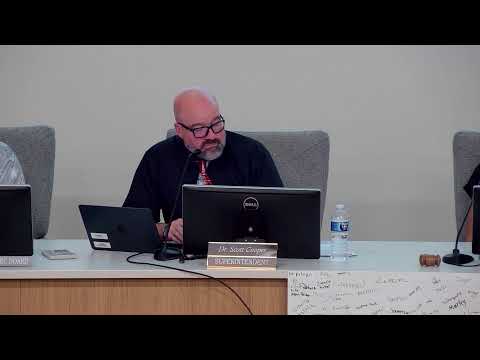
Sweetwater County School District #2 adopts 2026-27 budget after public pleas to spare activities
Summary
Trustees adopted a $67.8 million 2026-27 budget that includes cuts affecting extracurricular activities; board members said the move responds to a new state funding model and declining enrollment, while parents and students urged keeping sports intact until lawmakers act.
Trustees for Sweetwater County School District #2 voted to adopt the district’s 2026–27 budget after more than an hour of public comment urging officials not to cut student activities.
The board approved the budget as presented during the meeting, with administration reporting total general-fund appropriations of $67,847,820 and projecting an undesignated reserve of about 20.09% as of June 30, 2027. Administration and board leaders said the district faces a structural funding shortfall after the state’s recalibrated model shifted activity funding from a school-level to a district-level basis and because local assessed valuations declined.
Why it matters: The board’s budget preserves the district’s long-term financial stability but reduces the subsidy the district provides to extracurricular activities. Parents, coaches and students said activity cuts would cause immediate harm to seniors and ongoing programs; several speakers urged trustees to delay eliminations until the legislature implements recalibration fixes and possible retroactive funding.
What was said: Marlene Brady read a statement from Representative Scott Heiner outlining the state’s recalibration work and urging districts not to cut activities while the legislature considers options, including making increases retroactive. Brady said the committee is pursuing options "whereby schools will receive the greater of the previous model formula or the new model" and that results may be retroactive to the 2026–27 school year.
Local activity leaders and students described personal impacts. Danielle Kendall, representing the Green River Girls Softball Association, summarized a three‑day elite camp funded in part by district grants and said roughly 95 kids attended each day; student Dixie Schoening thanked the board: “I had so much fun… I learned the basics of pitching and now I really want to be a pitcher next year.” Phil Harder, head tennis coach, warned that cuts are "hard to bring back" once made.
Board rationale and vote: Trustees said they had exhausted other savings and that the new state funding model and declining enrollment left them with difficult choices. Trustee Tom (addressing the board) said the board had been subsidizing activities by about $400,000 annually and faced an additional approximately $240,000 shortfall tied to the legislative change; he described the vote as a “custodial” decision to preserve the district’s sustainability. Multiple trustees echoed that sentiment and voted to adopt the budget; the motion carried after an affirmative vote.
What’s next: Trustees and Superintendent Cooper said they will convene a budget-workshop process next winter to solicit broader stakeholder input and revisit priorities in light of state-level developments. Several speakers urged the board to restore activities if the legislature provides retroactive funding.
Ending: The budget adoption concluded the most contested segment of the meeting; the board moved on to other agenda items including procurement approvals and handbook updates.