Get Full Government Meeting Transcripts, Videos, & Alerts Forever!
Get email alerts on the Micro Mobility topic
No spam. Unsubscribe anytime.
Crescent City Commission seeks tighter rules for golf carts, e-bikes after festival rentals
Summary
At an April 15 workshop, the Crescent City Commission directed staff to draft ordinance updates for golf carts, e-bikes and scooters to align with state law, clarify insurance requirements and designate safe crossings and nighttime rules after an influx of rental carts at recent events. The city will check DOT authorizations and discuss enforcement with the sheriff's office.
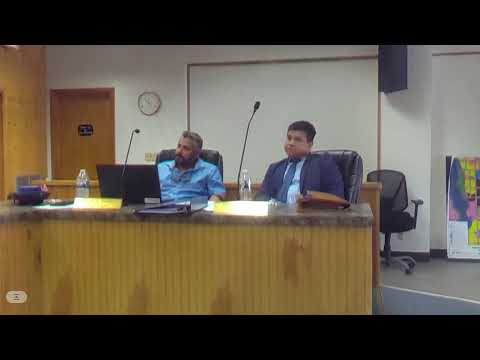
At a city commission workshop on April 15, Crescent City commissioners directed staff and the city attorney to draft updates to the city's ordinance on golf carts, e-bikes and electric scooters after commissioners reported safety and enforcement issues tied to recent events.
Commissioners said they want local rules to at least mirror state law where required and to be stricter where the city can legally do so. "We need to have an ordinance that mirrors state law so that it's correct," the mayor (Speaker 1) said, and asked staff to provide a draft the commission can advertise for public comment.
The move followed a staff briefing noting greater local use of micro-mobility devices and a packet that included state guidance and a recent municipal example. Staff (Speaker 5) said the city's existing golf-cart sections (30-47 through 30-49) predate recent technology and statutory changes, and commissioners raised three core issues: how the city defines golf carts versus low-speed or street-legal vehicles; what insurance should be required for roadway operation; and where DOT-authorized crossings permit carts to cross Highway 17.
Commissioners and the major (Speaker 6) repeatedly flagged liability and enforcement concerns. The major noted that insurance policies covering roadway operation can be costly and that officers routinely encounter policies written only for private-property operation. "If you're operating on a roadway, that insurance is extremely expensive," the major said. Commissioners asked the city attorney to confirm whether the city can require particular insurance coverages and how those requirements align with state statute.
Members also debated nighttime operation. The commission discussed letting equipped golf carts operate after dusk when they have headlights, brake lights and turn indicators. Speaker 4 proposed drafting language to authorize carts until 10:00 p.m. with standard vehicle lighting; the mayor and major cautioned about visibility and enforcement after dark but did not block the proposal. Speaker 4 said that a 10:00 p.m. authorization would help residents attend evening activities in winter months while preserving safety by requiring proper equipment.
The recent Catfish Festival prompted concern about rental operations. Speaker 1 said rental vendors delivered dozens of carts for the event, observing, "They dropped off 40 golf carts 'and they were all over town." Commissioners asked staff whether rentals had business tax receipts and whether the city could require registration or special-event controls for out-of-town vendors. Staff said some rental operations appear to be legitimate companies that take deposits and provide contracts, but enforcement capacity is limited for unsanctioned events and large crowds.
On roadway crossings, commissioners identified at least one crossing near the post office/annex that bears signage but said they could not confirm DOT authorization. They asked the city manager to verify with the State Department of Transportation which crossings are authorized and whether DOT would consider additional posted crossings to improve safe access to retail areas such as Dollar General and Winn Dixie.
Next steps: the commission asked the city attorney and city manager to prepare a draft ordinance that (1) aligns mandatory age and licensing standards with state law, (2) clarifies the city's definition of golf cart versus low-speed/street-legal vehicles, (3) addresses insurance language for roadway operation, (4) includes options for limited sidewalk use where sidewalks meet minimum width and (5) proposes permitted nighttime hours tied to required lighting. Staff will also research DOT-authorized crossings and coordinate enforcement expectations with the sheriff's office. A draft ordinance will return to the commission for advertisement and public review.
The discussion also covered e-bikes and electric scooters; staff provided an Atlantic Beach ordinance as a template and commissioners agreed to wait for final state action on pending legislation while drafting local language that can be adjusted if the governor signs the bill.