Get Full Government Meeting Transcripts, Videos, & Alerts Forever!
Get email alerts on the Animal Services topic
No spam. Unsubscribe anytime.
Chief says on‑site veterinary contract would double spay/neuter capacity and reduce backlog
Summary
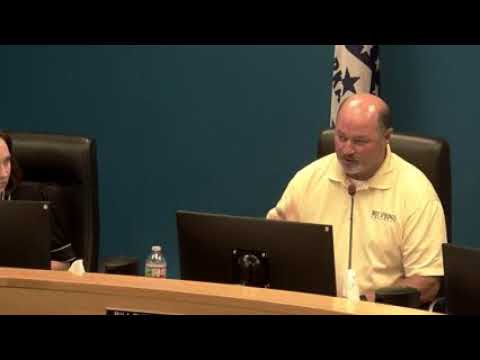
Chief Chris Chapman presented a proposed contract with Viscardis Veterinary Services LLC to provide on‑site spay/neuter and vaccination services at the animal shelter; the negotiated rate is $120 an hour, staff expects to start scheduling August 1, and the chief said Dr. Viscardis believes she can do up to 40 animals per week, helping reduce a roughly two‑month backlog.
Chief of Police Chris Chapman presented a proposed term contract with Viscardis Veterinary Services LLC (Dr. Robin Viscardis) to provide on‑site spay, neuter and vaccination services at the city animal shelter and described cost and operational details.
Chapman said staff solicited statements of qualifications, received two responses, and negotiated a contract that would pay Dr. Viscardis $120 per hour with an anticipated limit of 8–10 hours per week. He told the board that the shelter’s new surgical suite — built with donation funds — will allow services to be performed on‑site rather than sending animals to local clinics, and that a budget amendment from the donation account is proposed to cover the rest of the year’s expenses.
Chapman emphasized capacity and backlog: “Doctor Viscardis believes that she can do up to 40 animals per week on‑site,” he said, and noted the shelter’s off‑site average had been about 15 animals per week for spay/neuter, leaving a roughly two‑month backlog that the city needs to address to remain in compliance with the local ordinance. Board members asked whether the contract covers vaccinations and emergency calls; Chapman said the city is required to provide rabies vaccinations and that other shots are typically the adopter’s responsibility, and he said staff would validate whether microchip registrations are being completed with adopter information.
Why it matters: The move shifts some surgical capacity in‑house, which officials said should reduce transport costs, increase throughput and help the city meet ordinance requirements about spay/neuter before adoption.
Next step: The contract and a related budget amendment will go to the board for formal consideration at the July 21 meeting; staff said scheduling could begin August 1 if approved.