Get Full Government Meeting Transcripts, Videos, & Alerts Forever!
Get email alerts on the Annexation topic
No spam. Unsubscribe anytime.
Glendora narrows island annexation plan, excluding large hillside parcels and advancing three populated pockets
Summary
After a fiscal analysis showing ongoing net costs, the council voted to drop large undeveloped hillside areas (Areas 1 and 2), move forward with Areas 3, 4 and 5 and pursue a narrowed Area 1b; staff estimated annexation would add about 220 parcels and 640 residents but could produce a $600,000–$700,000 annual net cost unless mitigated.
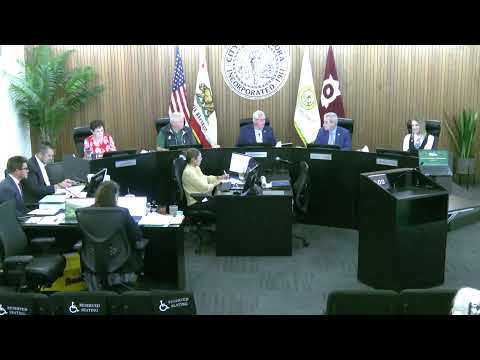
The council heard a fiscal analysis from Community Development Director Jeff Kugel on a multi‑area annexation project intended to fold five unincorporated 'islands' into the city. Kugel said the study mapped roughly 670 acres across five pockets, representing about 220 parcels and approximately 640 residents.
Kugel said much of the largest area (Area 1) is undeveloped hillside owned by public or quasi‑public entities and therefore generates little property‑tax revenue. The analysis estimated the total additional property tax and related revenue at roughly $150,000 but estimated one‑time capital and ongoing maintenance costs would create a net annual shortfall in the range of $600,000 to $700,000 unless the council narrowed the scope or negotiated cost sharing.
Staff presented several options: table the project, proceed with a limited annexation (1b) that focuses on parcels the city already owns or uses, proceed with all five areas, or choose a hybrid. After discussion about cost, public services, possible county coordination on road repairs, and the desire to avoid taking on large undeveloped hillside (which the council said it did not want to manage), Councilmember Mendel Thompson moved to exclude Areas 1 and 2, pursue Areas 3, 4 and 5 and a revised, narrower Area 1b. The motion was seconded and carried unanimously, 5–0. Staff said next steps include pre‑zoning, outreach, a tax‑exchange discussion with Los Angeles County, and further coordination with LAFCO on the procedure.
Why it matters: Annexation changes who provides local services (police shift from county sheriff to city), affects long‑term capital planning (street and PCI obligations) and alters the city’s fiscal outlook. Council asked staff to pursue targeted outreach and to return with negotiations and refined cost estimates.