Get Full Government Meeting Transcripts, Videos, & Alerts Forever!
Get email alerts on the Ethics Governance topic
No spam. Unsubscribe anytime.
Monroe board invokes 'doctrine of necessity' to allow conflicted members to participate in superintendent votes
Summary
Board counsel read and the board adopted a resolution invoking the doctrine of necessity under the New Jersey School Ethics Act after identifying multiple members with conflicts related to Superintendent Dr. Shari Chanley; the motion passed on a roll call vote.
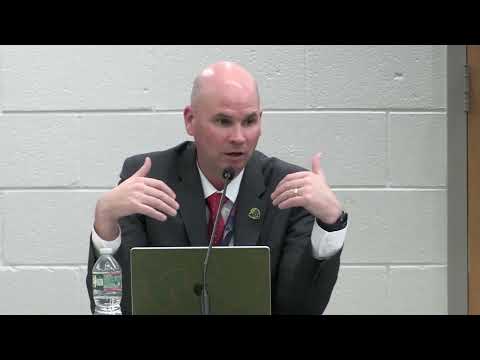
The Monroe Township Board of Education on July 15 read and adopted a resolution invoking the “doctrine of necessity” to permit board members with declared conflicts of interest to participate in upcoming public votes concerning Superintendent Dr. Shari Chanley.
Board counsel read the resolution into the record, listing conflicts including board members named in litigation involving Dr. Chanley and a member with a spouse employed by the district. The resolution cites the New Jersey School Ethics Act and board policy language explaining that, when a quorum of non-conflicted board members is not available, the doctrine of necessity may be invoked and must be read into the public meeting record.
The board adopted the resolution by roll call. During the recorded roll call on the motion, board members present registered votes in favor and the resolution was declared passed.
Why it matters: The doctrine of necessity is a legal-labor/ethics mechanism that allows a board to function when conflicts would otherwise prevent legally required action. Invoking it permits conflicted members to participate in specified votes but requires public disclosure and posting as described in the resolution.
What’s next: The board said a copy of the resolution will be posted and provided to the School Ethics Commission as required by board policy and state guidance; the resolution applies to public votes concerning the superintendent and does not itself resolve any underlying litigation or personnel questions.