Get Full Government Meeting Transcripts, Videos, & Alerts Forever!
Get email alerts on the Local History topic
No spam. Unsubscribe anytime.
Reverend Dr. Jim Sherblum: Concord’s wealth tied to land seizure and the Atlantic slave trade, lecture says
Summary
In a public lecture in Concord, historian Reverend Dr. Jim Sherblum traced the town’s rising wealth to land dispossession of Indigenous people and participation in the Atlantic slave trade, and answered audience questions about sources and the militia origins of the Second Amendment.
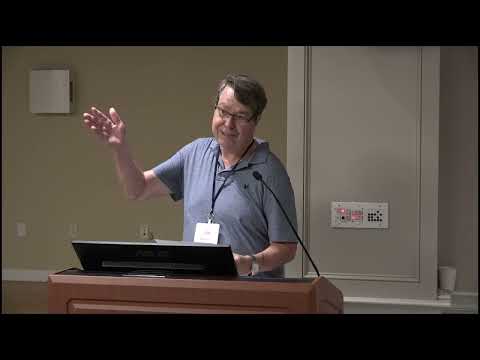
Reverend Dr. Jim Sherblum, a Concord resident and local historian, told a packed audience that much of Concord’s long‑term wealth grew from land appropriation and ties to the Atlantic slave trade.
"History doesn't change," Sherblum said as he opened the talk, adding that "the stories we tell about it" evolve and that his approach follows families across generations to show how religion, culture, health and wealth shaped lives. He cited Major Simon Willard’s 17th‑century trading post and described accounts of credit extended to Indigenous people that, he said, sometimes ended in foreclosure and the transfer of land.
Sherblum argued that Concord’s economic rise was not accidental but tied to colonial practices and global commerce. "As GDP increased, inequality increased too," he said, linking local fortunes to maritime trade, investments in plantations and commerce with Jamaica and other Caribbean ports. He described the Middle Passage and shipboard mortality, saying the trade yielded large returns for merchants and investors while exacting a brutal human toll.
The lecture outlined specific local examples, including Willard family members who, Sherblum said, established commercial ties to Jamaica and profited from that trade across generations. He described how Civil War and other wartime contracts also boosted some Concord manufacturers and investors, expanding local wealth and civic influence.
Audience members pressed Sherblum on sources for early Indigenous history. He cited recent scholarship, including Lisa Brooks's Our Kin, and said that some local historical‑society holdings and untranslated Algonquian manuscripts remain relevant but underused. "It's only in the last five years that people who are from indigenous families are getting tenure at universities to teach about their history," he said, noting limits in the documentary record and the need for translational work.
On a question about the Second Amendment, Sherblum said the amendment reflected the prominence of state militias, which colonial communities relied on for defense and which helped shape a post‑revolutionary insistence on arms and militia readiness. "The 2nd Amendment is that the state militias had been additionally encouraged ... to protect the towns," he said, linking the amendment’s origins to frontier defense and local practices of arms training.
Sherblum closed by noting that while Concord’s institutions and symbols often highlight civic virtue, the town’s prosperity was frequently produced ‘‘in despicable ways,” including land theft and slavery. He encouraged continued public engagement with the town’s full history and invited attendees to buy signed copies of his book.
The event ended with a question‑and‑answer session about sources, local plantation histories and civic remedies; Sherblum said broader franchise extension and sustained civic attention were necessary but left attendees to consider what specific reforms should follow.