Get Full Government Meeting Transcripts, Videos, & Alerts Forever!
Get email alerts on the Parking Towing topic
No spam. Unsubscribe anytime.
Spencer Heights resident says driveway design and towing practices have made 'dream' home a 'nightmare'
Summary
Keisha Long, speaking through a relative at a Ranlo council meeting, described repeated towing incidents, vehicle damage from a steep driveway, and asked the town to review towing enforcement and clarify officers' authority; staff pledged to investigate and meet with residents after the meeting.
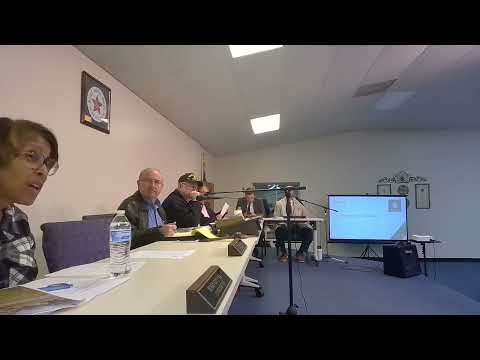
Daniel Barbara read a statement at the Ranlo Town Council meeting on Jan. 9 from Keisha Long, a resident of the Spencer Heights neighborhood, saying her 2019 home purchase "has now turned into a nightmare" because of driveway design and repeated towing incidents.
Long said her driveway's grade makes it difficult to use the garage and has damaged vehicle undersides. She described multiple tows and fines that cost "hundreds of dollars," including one episode she called potentially "predatory towing" when an officer reportedly told her she could not move her car and she waited 15 minutes for a tow truck before being allowed to leave.
The statement asked the council to reconsider street-parking policy for the neighborhood, explore reasonable exceptions for properties with unusual driveways, and clarify "the right of a police officer to require a person to wait for a tow truck to come." Long said the HOA would not allow parking in yards and that residents face the risk of fines or towing if guests park on the street.
Residents who spoke afterward described similar problems. One neighbor confirmed tow trucks have been called repeatedly and another described a driveway slope that causes low cars to scrape the pavement. Long and other commenters said enforcement has at times appeared inconsistent across households.
A staff member apologized for Long's experience and said the town had been made aware of the incident only hours earlier; the staff member offered to meet with Long and representatives of police and the tow company after the meeting to review what happened and "try to figure out if there's a way" to resolve the issue. The staff member also mentioned the town offers temporary parking permits and said staff would examine whether exceptions or clearer guidance for officers are warranted.
Council members asked staff to gather records on how often tow trucks are called and whether enforcement patterns raise equity concerns. The chief reported standard practice is to call tow operators for vehicles that are obstructing roadways; he said officers sometimes issue citations and sometimes call tow operators and that tow companies sometimes show leniency at the scene. Council and staff did not announce any immediate policy change; they said they would investigate Long's case and the neighborhood's enforcement history.
The council did not vote on any ordinance or formal policy change at the meeting. The next steps recorded in the meeting were staff follow-up: a post-meeting meeting between the resident, staff, police and the tow operator to review the incident and a request for enforcement history to assess whether practices have been applied fairly.
Christopher, another long-time resident who spoke later, suggested options such as personal parking passes and overflow parking at a nearby field to reduce conflicts; staff said they will consider resident feedback as they review possible options.
The council's staff follow-up and any formal proposals or ordinance changes will be announced at future meetings.