Get Full Government Meeting Transcripts, Videos, & Alerts Forever!
Get email alerts on the Local Governance topic
No spam. Unsubscribe anytime.
Vernon council weighs charter rewrite that would curtail mayor’s role and extend terms
Summary
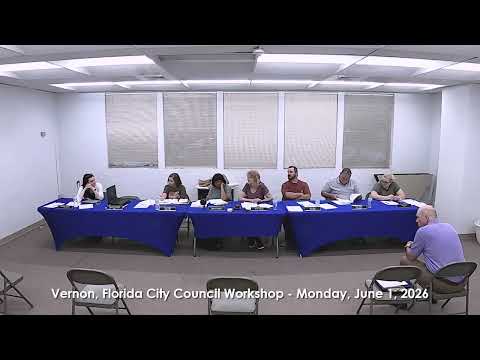
At a Vernon council workshop members debated a citizen-drafted charter that would remove or limit the mayor’s duties and change two-year terms to four-year terms; council agreed to review the draft line-by-line and noted any adopted charter would still require a citizen referendum.
Members of the Vernon City Council spent the workshop reviewing a citizen-drafted “new” charter and debating several structural changes, including whether to remove the mayor’s independent authority and whether to move council and mayor terms from two to four years. Council member (S2) said the proposed draft included material “removing the mayor’s position altogether, which I had issues with,” and urged colleagues to study the text closely before acting.
City Clerk (S1) told the council the packet contains both the original charter and a redlined version showing the proposed changes. Council member (S7), noting historical context, said a 1968 constitutional amendment establishing home rule and subsequent early-1970s legislative changes narrowed many mayoral powers in local charters, which helps explain why some mayoral functions are already limited.
Members discussed the pros and cons of four-year staggered terms, with supporters arguing longer terms help continuity and opponents warning appointed or council-selected mayors could reduce direct voter control. Council member (S2) said adopting a charter locally would be only the first step: “If this council wants to move forward and adopt a new charter, we have to pass it amongst ourselves and then we have to go forward and put it in front of the citizens.”
The council also discussed practical steps before any referendum, including confirming municipal boundary descriptions and the referendum’s administration. Council members estimated the direct cost of a referendum in the community at about $3,000–$4,000 and asked staff to investigate whether a mail-ballot approach could reduce costs.
Clerks and council members agreed to a line-by-line review of the citizen draft and to return with suggested edits. No formal motion or vote was taken at the workshop; council members said any changes they approve locally would still need to be presented to Vernon voters for final approval.