Get Full Government Meeting Transcripts, Videos, & Alerts Forever!
Get email alerts on the Use Tax Allocation topic
No spam. Unsubscribe anytime.
Senators reallocate unassigned use‑tax revenue to public health and education with accountability safeguards
Summary
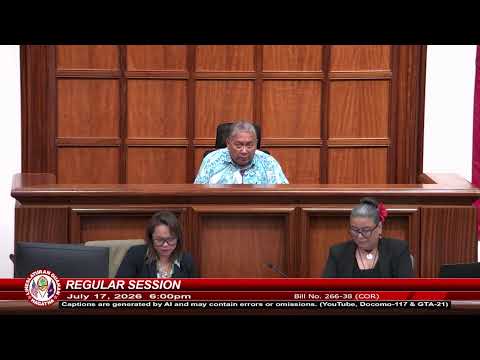
The Committee of the Whole adopted floor amendments to dedicate portions of previously unassigned use‑tax revenue to the Department of Public Health and the Department of Education for inspections, capital improvements and ADA compliance, adding contingent budgeting language and delayed enactment so the change applies to the FY2028 cycle.
The Committee of the Whole voted to dedicate a share of unallocated use‑tax receipts to public health and education while adding oversight steps to limit immediate budget impacts.
Senator Perez, the amendment’s author, offered language to appropriate a portion of currently unassigned use tax proceeds to the Department of Public Health and to the Department of Education for capital improvements, deferred maintenance and Head Start maintenance‑of‑effort. The amendment carries a delayed enactment so the change would take effect for the next fiscal year’s appropriations, not current FY27 budgets.
“Right now use tax is about $8.5 million,” Perez said during floor debate, urging colleagues to create a steady, local funding source for inspections and school repairs. Supporters said the allocation responds to oversight testimony showing the Division of Environmental Health is understaffed and cannot meet inspection mandates. Senator Sabrina Salas Montanani summarized the division’s testimony, saying large shares of regulated businesses have not been inspected in five years or more and that the division needs training and staff to deliver required inspections.
Senator Lujan cautioned that projected revenue depends on the successful rollout of a new collection system (referred to in floor remarks as the Azkutta/Assacuta system) and that training, housing of servers and other implementation steps mean collections will ramp up over months. “I personally think that we should wait until we collect the money,” Lujan said, asking colleagues to temper expectations about near‑term windfalls.
To address those concerns the floor adopted two changes: (1) delayed enactment to take effect for the FY2028 cycle so it does not reduce amounts already appropriated for FY27, and (2) an accountability clause making continuous appropriations contingent on an annual submission of a detailed budget from the receiving agency. The author also offered a reduced percentage alternative during debate and the clerk incorporated contingent language into the engrossed amendment. Colleagues repeatedly described the change as a policy allocation (not an immediate cash transfer) that assigns future collections to specific agencies if and when the revenue becomes available.
The amendment as amended passed on the floor after debate; members said the measure balances community safety and school‑facility needs with caution about fiscal timing. The committee asked OFB and Rev & Tax to report implementation details to the Legislature as the collection system comes online.
Next steps: the engrossed amendment will be included in the bill sent to third reading; implementing departments must file the required detailed budget for continuous appropriation to be executed.