Get Full Government Meeting Transcripts, Videos, & Alerts Forever!
Get email alerts on the HR 4090 topic
No spam. Unsubscribe anytime.
Committee debate on Critical Mineral Dominance Act spotlights jobs, environmental safeguards and foreign ownership
Summary
The Rules Committee heard testimony on HR 4090, a bill to speed critical mineral production, with backers arguing the U.S. must ramp up domestic mining for national security and opponents warning the bill would deregulate mining, risk communities and could benefit foreign‑owned entities. Members pressed for safeguards and ownership restrictions.
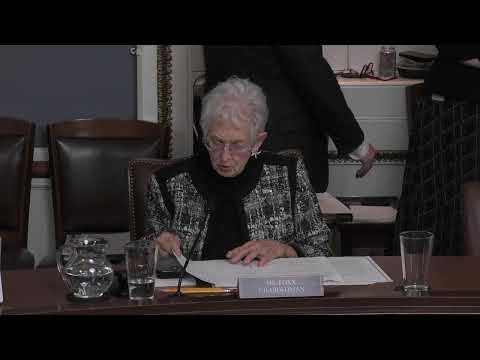
The House Rules Committee heard testimony about HR 4090, the Critical Mineral Dominance Act, during a panel from the Natural Resources Committee that divided members along familiar lines: Republicans emphasized job creation and supply‑chain security; Democrats warned of deregulation, environmental harm and risks from foreign ownership.
Representative Stauber, who sponsored HR 4090 in Natural Resources, described a looming shortfall of key minerals and urged lawmakers to ‘‘cut through red tape’’ to accelerate domestic production. He cited a U.S. Geological Survey list of 60 critical commodities and said demand for copper and other minerals will surge, driven by defense, AI and manufacturing needs.
Representative Ansari opposed the bill’s core approach, saying it delegates too much power to industry to identify regulations to be rolled back and provides insufficient protections for water, tribal sacred sites and community consultation. “This bill effectively directs the mining industry to tell Interior and the Forest Service which regulations to eliminate,” Ansari said, arguing that safeguarding communities and the environment must be central to any expansion.
Members questioned whether the bill would meaningfully increase production in the near term — representative testimony noted long permitting lead times (one witness cited an average U.S. permitting timeline measured in decades for some projects) — and whether it would preserve key federal safeguards such as NEPA, the Clean Water Act and the Endangered Species Act. Stauber said the bill does not change those statutes and stressed rigorous permitting would remain in place.
Another point of contention was foreign ownership. Several Democrats pressed for a mechanism to bar priority processing for projects owned or controlled by foreign adversaries; proponents warned a bright‑line ownership restriction could be gamed and unintentionally block projects by U.S. allies or allow adversaries to circumvent rules by buying minority stakes. The committee did not vote on HR 4090; the Rules motion later placed the bill on the floor under a closed rule.
The debate underscored a continued split between urgency about mineral supply chains and caution about environmental and governance consequences. Members said they hoped for further bipartisan work to refine ownership safeguards, consultation with tribes, and clarifications about how the bill would interact with existing environmental laws.
The panel testimony will be part of the record for the House’s upcoming floor consideration under the rule the committee reported.