Get Full Government Meeting Transcripts, Videos, & Alerts Forever!
Get email alerts on the Setback Variance topic
No spam. Unsubscribe anytime.
Board approves setback variance for hillside lot after finding geological hardship
Summary
The Zoning Board unanimously approved Variance 26‑17 to reduce side yard setbacks from 15 to 3 feet for a hillside lot, finding geological and topographical constraints unique to the parcel warranted relief.
The Butte Silver Bow Zoning Board of Adjustment approved Variance 26‑17 on July 14, granting a reduction of side yard setbacks from 15 feet to 3 feet for a Hillside Drive parcel owned by Jill Johnson.
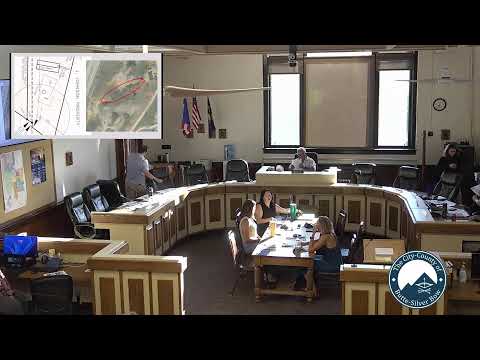
Planning staff presented evidence that the parcel narrows toward the front, contains steep hillside terrain, rock outcroppings and a drain field that limit the area available for development. Staff recommended approval with written findings of fact, saying the constraints are a geological and topographical hardship not created by the applicant.
Applicant Jill Johnson told the board a survey revealed rock outcroppings and steep slopes that prevent locating a conventional single‑family footprint without encroaching into the required setbacks. “We have natural hardship and impediments from the natural steepness of the hillside... and rock outcroppings,” Johnson said.
No members of the public spoke in favor of or against the request during the public hearing. A board member moved to approve based on the staff findings, the motion was seconded and all members present voted to grant the variance. Staff said the applicant would receive a formal approval letter and that the development remains subject to applicable building and fire code requirements.
The board’s approval was framed around site‑specific constraints rather than neighborhood precedent; staff cautioned that the resulting structure must still meet other building standards and recommended conditions intended to protect public health and safety.