Get Full Government Meeting Transcripts, Videos, & Alerts Forever!
Get email alerts on the Zoning Ordinance topic
No spam. Unsubscribe anytime.
Bloomfield Hills planning commission opens hearing on zoning updates; debate centers on definition, size limit for 'health and wellness' uses
Summary
On July 14 the planning commission began a public hearing on targeted zoning ordinance amendments. Consultants proposed new definitions and a 2,000-square-foot cap for small health/wellness studios; commissioners and property owners questioned parking and use‑mix impacts and asked for written comment and a revised draft.
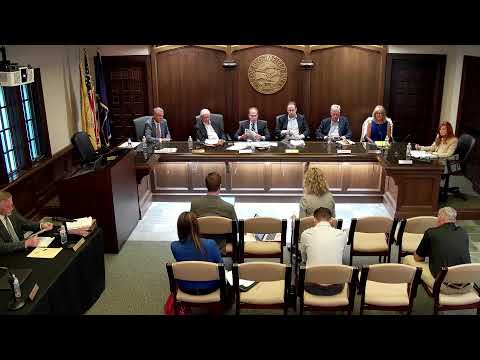
The Bloomfield Hills Planning Commission on July 14 opened a public hearing on draft ordinance amendments that would revise definitions, permitted uses and certain design standards in the city’s commercial and office districts.
Consultant Jill Bame (Giffels Webster) said the package is targeted and not a wholesale rewrite: it consolidates several existing use descriptions into a definitions section, clarifies office and retail language, and proposes a new category for “health and wellness facilities” (examples cited included small yoga and Pilates studios, day spas and physical‑therapy offices). The consultant suggested an initial cap of 2,000 square feet for health/wellness facilities to limit larger gym chains and to prioritize small studios.
Several commissioners questioned the 2,000‑sq‑ft figure and raised parking and traffic concerns. Commissioner [Committee member] asked where the number came from; the consultant said it reflects professional market research and is a conservative starting point that can be revisited. A property owner representing the former PNC Bank building told the commission his building contains roughly 5,400 square feet of space and warned that a fixed 2,000‑sq‑ft cap could limit viable reuse options because of parking constraints.
Discussion ranged across several subjects: whether examples in a definition should imply favoritism toward particular uses, how to address parking demand for new uses, and which uses to encourage in the city center without generating additional traffic. Staff and consultants recommended collecting written comments and circulating an editable Word draft so commissioners can provide redlines. Commission members asked staff to seek an extension of the moratorium deadline to August 31 to allow more detailed review and potential subcommittee work.
The commission closed the public‑hearing comment period and asked consultants to return a revised draft that incorporates commissioner input; members encouraged written submissions to the planning consultant prior to the next meeting.