Get Full Government Meeting Transcripts, Videos, & Alerts Forever!
Get email alerts on the Public Health Mosquito Control topic
No spam. Unsubscribe anytime.
Health department staff urges Kansans to drain standing water; free mosquito dunks available
Summary
A health department staff member warned Kansas residents about West Nile virus, urged removing standing water to curb mosquito breeding, and said free mosquito dunks (effective about a month) are available by calling (316) 660-7300.
A health department staff member warned Kansas residents that West Nile virus is the primary mosquito-borne concern in the state and urged household action to reduce breeding sites.
"In Kansas, the biggest thing we're worried about with mosquitoes is going to be West Nile virus," the staff member said, noting the illness can lead to "hospitalization and even death." The official advised residents to remove small pools of standing water—examples given included stagnant ponds, bird baths and plant saucers—because many mosquitoes can breed in very small amounts of water.
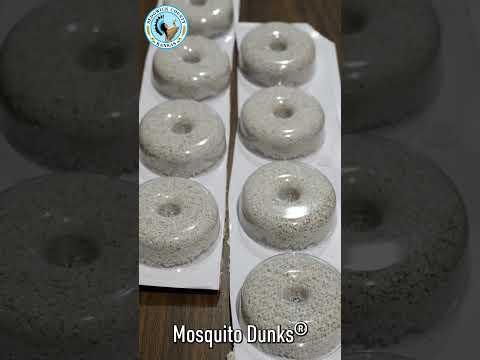
The staff member explained that mosquito "dunks"—small, bacteria-containing products—are an effective prevention tool: "They contain a bacteria that the mosquito larvae will eat and then it will kill the larva," the staff member said, adding that the product does not harm other animals, birds, fish, insects or people. One dunk covers about 50 square feet of surface area, the staff member said, and can be broken up for smaller containers; larger areas may require multiple dunks. The staff member said dunks typically last about a month.
Residents seeking mosquito dunks can request them at no cost through the local health department. "Call the health department's main number, which is (316) 660-7300, and then you just need to leave your address, and we will mail those out to you," the staff member said.
The guidance focused on household-level prevention and the health department's free distribution program; no formal vote or action items were recorded during the presentation. The department framed the measures as practical steps residents can take immediately to reduce local mosquito populations and lower the risk of West Nile virus transmission.