Get Full Government Meeting Transcripts, Videos, & Alerts Forever!
Get email alerts on the Data Collaboration topic
No spam. Unsubscribe anytime.
Committee votes to remove vendor reference, endorse statewide juvenile-justice data-collaboration framework
Summary
The committee voted to remove a named vendor and a 'phase 2' goal from the strategic plan and instead recommend that the full commission adopt a statewide framework for juvenile‑justice data collaboration. The change was offered as a recommendation to the full Juvenile Justice Legislative Commission and carried by voice vote.
The Juvenile Justice Oversight Committee voted to amend language in its strategic plan to remove a named vendor reference and the existing "phase 2" goal and to recommend that the full commission adopt a statewide framework for juvenile‑justice data collaboration.
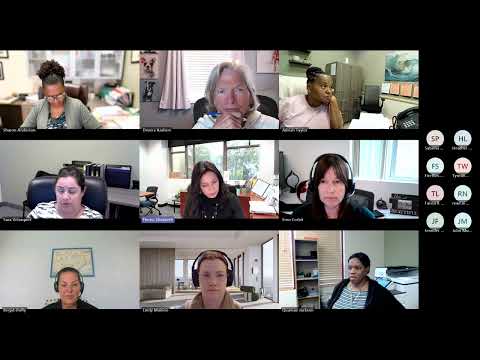
Chair Commissioner Elizabeth Flores moved to remove the phase 2 goal—previously framed as "develop phase 2 plan with enterprise supervision"—and to replace the line that read "enterprise supervision, complete the implementation of enterprise supervision phases 1 and 2 across all counties" with language directing the development and adoption of a statewide framework for juvenile‑justice data collaboration. Commissioner Sharon Anderson said the recommendation reflects that statute does not compel counties to adopt a single vendor and that available resources and county platform choices make a vendor‑specific goal impractical. Commissioner Deverea Carlson seconded the motion. The chair called for a voice vote; members present said "aye" and the motion carried.
Committee discussion before the vote focused on what "phase 2" had meant in archived planning documents. Chair Flores noted that archives show earlier vendor names such as Caseload Pro (and references to other vendor names over time) and questioned whether the strategic plan should name a specific product given vendor name changes and county autonomy. Commissioner Anderson said the absence of funding and statutory requirement to mandate a single platform supports removing the vendor‑specific language.
Members also raised how data sharing would work in practice and who would aggregate the information across county platforms; Erin Corbett of the Office of Analytics said her office has been acting as the hub for aggregated data (see separate report). Commissioner Anderson clarified that the committee’s action is a recommendation that will be forwarded to the full Juvenile Justice Legislative Commission for consideration.
The committee carried the motion with a voice vote; no opposed or abstentions were voiced during the roll call of ayes. The amendment will be forwarded to the full commission for formal consideration.