Get Full Government Meeting Transcripts, Videos, & Alerts Forever!
Get email alerts on the Unified Arts Policy topic
No spam. Unsubscribe anytime.
Timberlane superintendent pauses Unified Arts rollout after community outcry
Summary
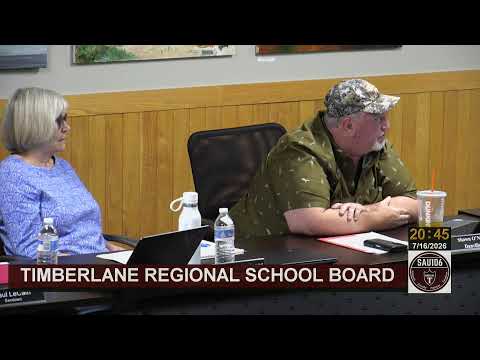
Superintendent Justin Krieger told the Timberlane Regional School District board he will not implement the proposed Unified Arts block schedule this fall and will pause the plan for a year to allow collaborative study after teachers and parents raised concerns about student stability, library access and special-education impacts.
Superintendent Justin Krieger told the Timberlane Regional School District special meeting that he will not move forward with the proposed Unified Arts (UA) block model this fall and has communicated that decision to administrators in a letter.
Krieger said the executive summary in the board packet lays out the educational rationale and professional-development supports the administration had prepared, but he concluded the district "has not built a shared understanding, and a readiness level" to implement the model. "We are not gonna be implementing this model. We are not ready to do so in the fall," he said, adding he would continue conversations and seek a more collaborative process.
The announcement came after board members debated whether public commenters should speak before or after the superintendent’s remarks. Board leaders clarified attorney guidance about action at a special meeting and noted that, while a quorum could take action on posted business, the intent that evening was informational rather than to adopt policy.
Several board members welcomed Krieger’s decision to pause the rollout. Board member Jack Zapia, who called the special meeting, said the session’s purpose was to hear staff and families and praised the public turnout. Zapia later proposed postponing implementation for one year and directing administration to work with teachers, principals, parents and the curriculum committee to review evidence and return a recommendation.
Board members emphasized that curriculum changes generally follow a multi-step process: committee review, piloting, site visits and presentation of supporting research. "Until we do have a vote by the board, everything stays the same," one member said when discussing the status quo.
The board set a path for further work rather than immediate adoption; no formal votes on UA implementation took place at the meeting. The district did not announce a timeline for when a formal recommendation will return to the board beyond the language that administration should study the proposal collaboratively over the coming year.
The meeting concluded with board members thanking parents and staff for attending and calling for a deliberate, evidence-based review process before any future action.