Get Full Government Meeting Transcripts, Videos, & Alerts Forever!
Get email alerts on the Food Nutrition topic
No spam. Unsubscribe anytime.
Southeast Polk board reviews sweeping school-meal rule changes and rising unpaid lunch balances
Summary
At its July meeting, the Southeast Polk School Board heard a detailed food-and-nutrition program review describing new federal and Iowa regulations, operational changes to meet them, and growing unpaid meal balances — about $67,000 — prompting calls to publicize donation options immediately.
Dr. Ailsworth, the district superintendent, opened the meeting and introduced the evening’s presenters before the board heard a program review of school meals that painted a picture of regulatory change, operational adjustments and rising unpaid balances.
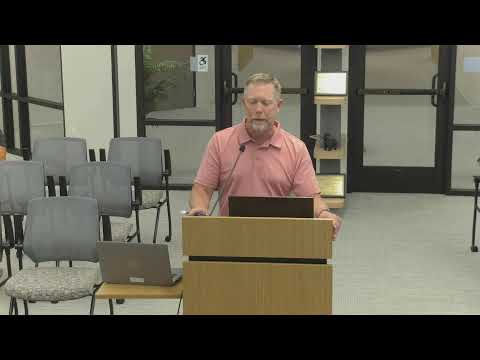
The food-and-nutrition presenter told the board the district serves “about 1,300,000 meals annually” and is contending with new requirements — including Buy American procurement limits, sugar limits for cereals and yogurts, Iowa rules restricting dyes and additives, and a planned 10% sodium reduction — that are driving menu changes and higher costs.
The presenter said the district has taken several steps in response: “We went ahead and started pulling all of our products, everything that we're serving, down to the seasonings,” and staff have purchased processing equipment, retrained cooks on recipe conversions and moved to products (for example, Greek yogurt) that meet sugar limits. The presenter also warned that documentation and data-entry demands have climbed sharply: “We've spent an abundant amount of time this year on documentation and data entry.”
Board members pressed on cost and waste. One board member asked whether switching to Greek yogurt raised costs; the presenter acknowledged higher cost but said the district chose products it judged acceptable for taste and nutrition. On food waste, the presenter said menu cycles have been expanded so the district can monitor items that sell poorly and adjust menus accordingly.
The board discussed unpaid meal balances at length after the presenter reported the district’s unpaid account total: “We are about 67,000,” a figure the presenter attributed to reduced direct certification from SNAP and other eligibility/documentation challenges. Kevin, a district staff member, added, “At the beginning of the year, balance was around 35,000,” noting the balance has grown compared with last year and that changes in direct-certification processes at the state level had reduced automatic enrollments.
Several trustees urged immediate community outreach to reduce the negative balance. One trustee said, “The most immediate thing we can do as board members is share with the community the need for donations at Grama Mall,” and others suggested the district place donation links more prominently on its website.
Nut graf: The review laid out how new state and federal nutrition rules are changing what schools can buy and serve, and the district said meeting those rules requires new equipment, staff training and additional paperwork — all while unpaid meal balances have roughly doubled year over year, a concern the board said it will address both by operational adjustments and community fundraising.
The presentation included budget and program details but no formal policy decision; trustees supported continuing to monitor costs, report back to the board and amplify donation options. The board also discussed long-term advocacy: Dr. Ailsworth said district leaders have raised school-meal funding and access issues in Washington, D.C., and said continued pressure on federal appropriations is warranted.
The board did not vote on any new meal pricing or eligibility policy at the meeting. The district said it will return with additional data and next steps on outreach, collection strategies and the staffing plan that will add cook positions at Willowbrook and Altoona and an operational compliance specialist to support kitchen coverage.