Get Full Government Meeting Transcripts, Videos, & Alerts Forever!
Get email alerts on the Buffers And Conditional Zoning topic
No spam. Unsubscribe anytime.
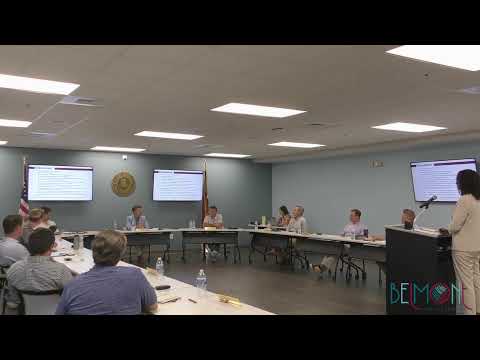
Council and planning board debate buffers and conditional zoning as constraints on redevelopment
Summary
Belmont officials told consultants repeated exceptions—especially for buffer and setback rules along Wilkinson Boulevard—may indicate code sections that need rewriting rather than case‑by‑case relief; speakers debated whether to favor objective standards for predictability or conditional zoning for council oversight.
Councilmembers and planning board members used the facilitated session to press consultants about recurring exceptions to the Land Development Code, saying repeated relief requests for buffer and setback provisions can make small parcels — notably along Wilkinson Boulevard — difficult to redevelop.
One councilmember summarized the tension: "Like side setbacks, rear setbacks, like, especially along Wilkinson Boulevard, which is, 30 feet, I believe," and said the combination of narrow lots and deep buffers often forces applicants to seek exceptions. Another participant said buffering "is the number 1 topic" in past minutes and suggested the city examine past conditions that led to granted reductions to understand whether rules remain necessary.
Speakers discussed two policy paths: make the code more objective and predictable so developers know what will be approved administratively, or retain more provisions for conditional zoning so elected officials can require community benefits and exercise oversight. Consultant Alexis Garcia said the team will identify where recurring exceptions suggest a permanent code change and where objective standards could safely allow administrative approvals.
Councilmembers also noted the difficulty of many piecemeal amendments over the years that can leave the code internally inconsistent; one board member cited "section 5 15" as an example of a legacy provision whose rationale is unclear and may merit reexamination during the audit.
Next steps: the diagnostic/code audit will include an analysis of recurring exceptions and suggest code edits to reduce unnecessary relief requests while balancing predictability and council oversight. No code amendments were adopted at the meeting.