Get Full Government Meeting Transcripts, Videos, & Alerts Forever!
Get email alerts on the Budget topic
No spam. Unsubscribe anytime.
RSU 18 voters approve $47.16 million school budget; municipal assessments set at $20.34 million
Summary
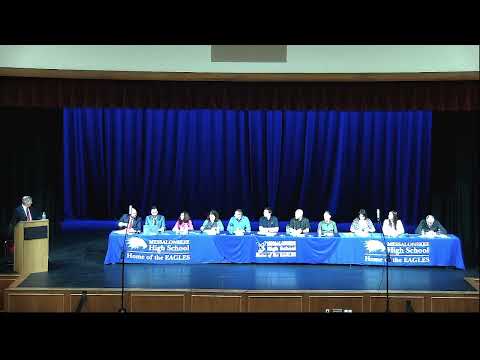
At a regional meeting, RSU 18 voters adopted the 2026–27 school budget of $47,157,904.19 and approved municipal assessments totaling $20,340,695.52 after hand-count ballots for Articles 12 and 13; Article 14 passed by hand count as well.
RSU 18 voters on June 30 adopted the regional school unit’s proposed 2026–27 budget, approving a total appropriation of $47,157,904.19 and municipal assessments the board read to total $20,340,695.52.
The board read Article 12—setting the total cost of funding K–12 education and the municipal assessment schedule under the Essential Programs and Services Funding Act and Title 20‑A—and took a hand-count ballot because of the article’s length. The clerks reported 50 votes in favor and 3 opposed; the article carried. A separate written/hand-count ballot on Article 13, which raises $9,756,607.87 in additional local funds above the state EPS allocation, passed by 49 to 12. Article 14, the overall budget summary and adoption, passed by a recorded vote of 51 in favor and 4 opposed.
Why it matters: the approved budget establishes the district’s spending authority for the 2026–27 fiscal year and fixes how much each municipality will be assessed under the state funding model. During the reading of Article 12 the moderator referenced Maine statute and the Essential Programs and Services Funding Act as the legal framework for calculating required local contributions.
Details read aloud by the moderator included municipality-level assessments and the regional total. The board explained the difference between the EPS model—intended as a funding formula—and the district’s actual operating needs, and noted that EPS alone would not cover the full cost of the district’s current staffing and services.
What happened in the meeting: after the moderator read each article’s recommended amounts the board moved, seconded, and voted; clerks assisted with hand counts where required by the article. The moderator explained that some readings require hand counts to ensure precision.
What’s next: with adoption, the district will proceed under the appropriations and assessments approved by voters. Implementation items such as staffing, technology replacement cycles and grant spending remain subject to administrative execution and any future board actions.