Get Full Government Meeting Transcripts, Videos, & Alerts Forever!
Get email alerts on the Municipal Budget topic
No spam. Unsubscribe anytime.
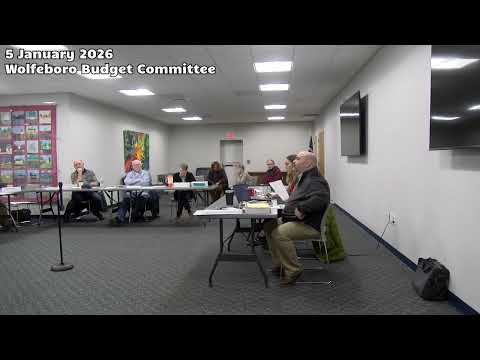
Wolfeboro Budget Committee reviews $35.7M proposed budget; chair and staff outline tax impact and outreach
Summary
At a July 5 meeting the Wolfeboro Budget Committee reviewed a proposed $35.7 million town budget, with the general fund at $20.4 million (a 6.9% increase) and a projected tax-rate impact tied to a $1.25 million buy-down from unassigned funds; members asked for clearer graphics and revenue breakdowns for the public hearing.
The Wolfeboro Budget Committee on July 5 reviewed the town's proposed 2026 budget and began planning how to present the numbers to voters.
Jim, the staff presenter, summarized the totals: “The general fund proposed budget [is] $20,397,159 — an increase of $1,332,892 or 6.9%,” and he gave totals for enterprise funds including water, electric and sewer. He told the committee the all-in proposed total is roughly $35.7 million, a 6.19% overall increase.
Why it matters: the committee stressed the need to show the public how enterprise funds and non‑tax revenues offset the headline budget number so voters understand the portion of the town budget that is actually raised through property taxes. Committee members asked for a single graphic showing amounts the committee can control (operations funded by property taxes) versus enterprise funds paid by ratepayers.
Members pressed staff for details on the tax-rate effect and revenue timing. One member asked whether the 6.9% figure was the general-fund impact; Jim confirmed the tax impact referenced the general fund and noted the town used a $1,250,000 draw from unassigned fund balance to buy down the tax rate. Jim said revenue estimates should be available at the committee's Thursday meeting.
Insurance costs were highlighted as a major budget driver. A member asked whether the proposed figures included insurance; Jim replied that the book includes the insurance line and that a 10% placeholder had been used while vacancies and plan shifts reduce pressure on the line. Another participant noted that the committee faces a substantial year-to-year insurance increase and asked for a single slide to explain items outside the committee's control (union contracts, insurance, debt service).
The committee also discussed the default-budget baseline used for the town report. Jim advised the committee to present the 2025 default budget as the baseline in the 2025 town report (the report covers 2025), and members asked the narrative to explain what “default budget” means so voters do not conflate the proposed budget with the default figures.
What’s next: members divided presentation responsibilities by department and asked Jim to prepare slide graphics and short narrative packets for distribution at the deliberative session. The committee set a follow-up meeting on July 12 to finalize materials before the public hearing.
The meeting closed after committee business and scheduling; members thanked staff for preparing the materials and adjourned.